

MISSION
The Center for Social Development Studies produces interdisciplinary critical research on innovative, inclusive and sustainable regional development in Southeast Asia.
We seek to engage in policy-making through undertaking research in partnership with those facing development challenges, collaborating in research, policy and academic networks, and by sharing our research publicly.
We support young and mid-career researchers and public intellectuals via the Master of Arts in International Development Studies (MAIDS) program, the Graduate Research in International Development (GRID) program, and the Faculty of Political Science, and through our fellowship programs and internships.
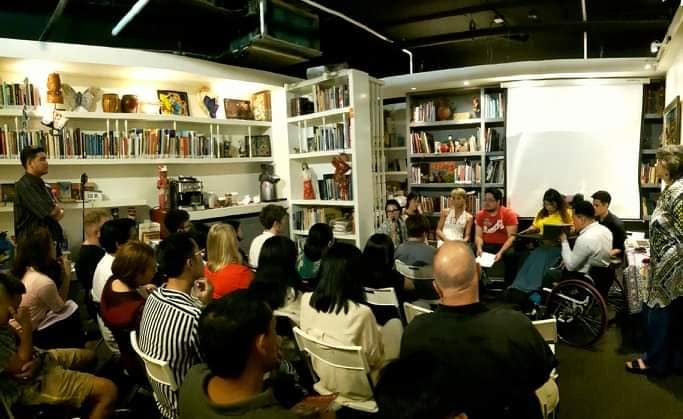
We organize seminars, conferences, and workshops to provide a forum for debating critical issues on development.


Announcements
Publications



Activities and Events


Project Blogs
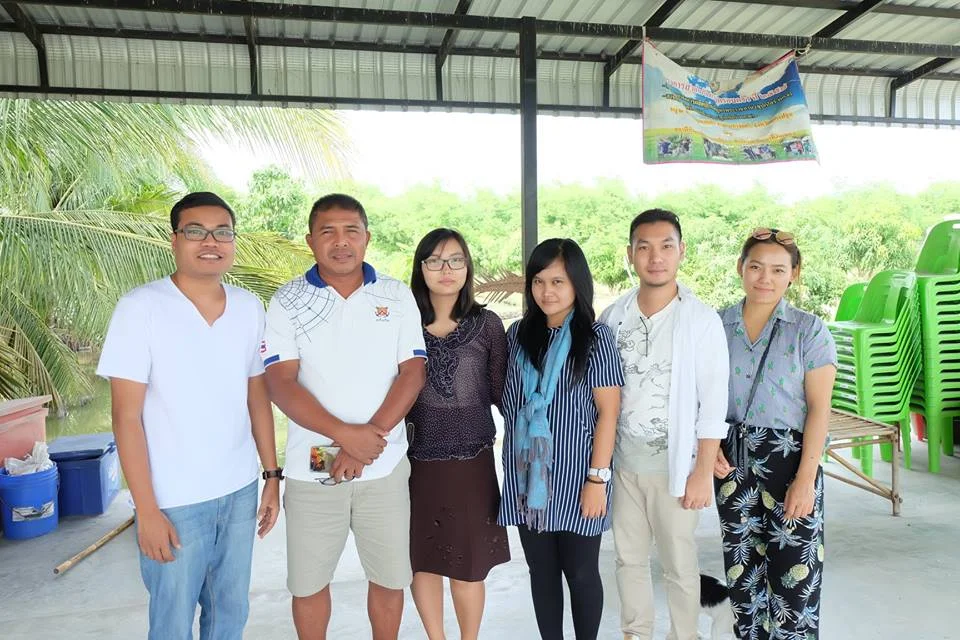
In the spring of 2018, the students of the Chulalongkorn University Masters in International Development Studies (MAIDS) Innovation for Inclusive Development (IID) course embarked a journey of learning, discovery and community, centered on the organic farming collective of Khlong Yong – Lan Tak Fa located just outside of Bangkok in Nakhon Pathom Province, Thailand. While the courses requirements left the options and engagement in their hands, it did require the students to bring solutions or changes to certain issues for a group of people in their community, using the specific design processes that were learned during the semester. The economy of Khlong Yong Community primarily relies on their agricultural outputs but they now also have gardens and livestock and are looking towards sustainable, eco-tourism to bring in more interest and profit to their tight knit community. Using the design thinking approach of "empathize, define, ideate, prototype, and test," the group of students, made of up nationals from all over Southeast Asia, engagement the community and created a set of publications and videos that they could use for the uptick of foreign visitors they hope to attract in the coming years.


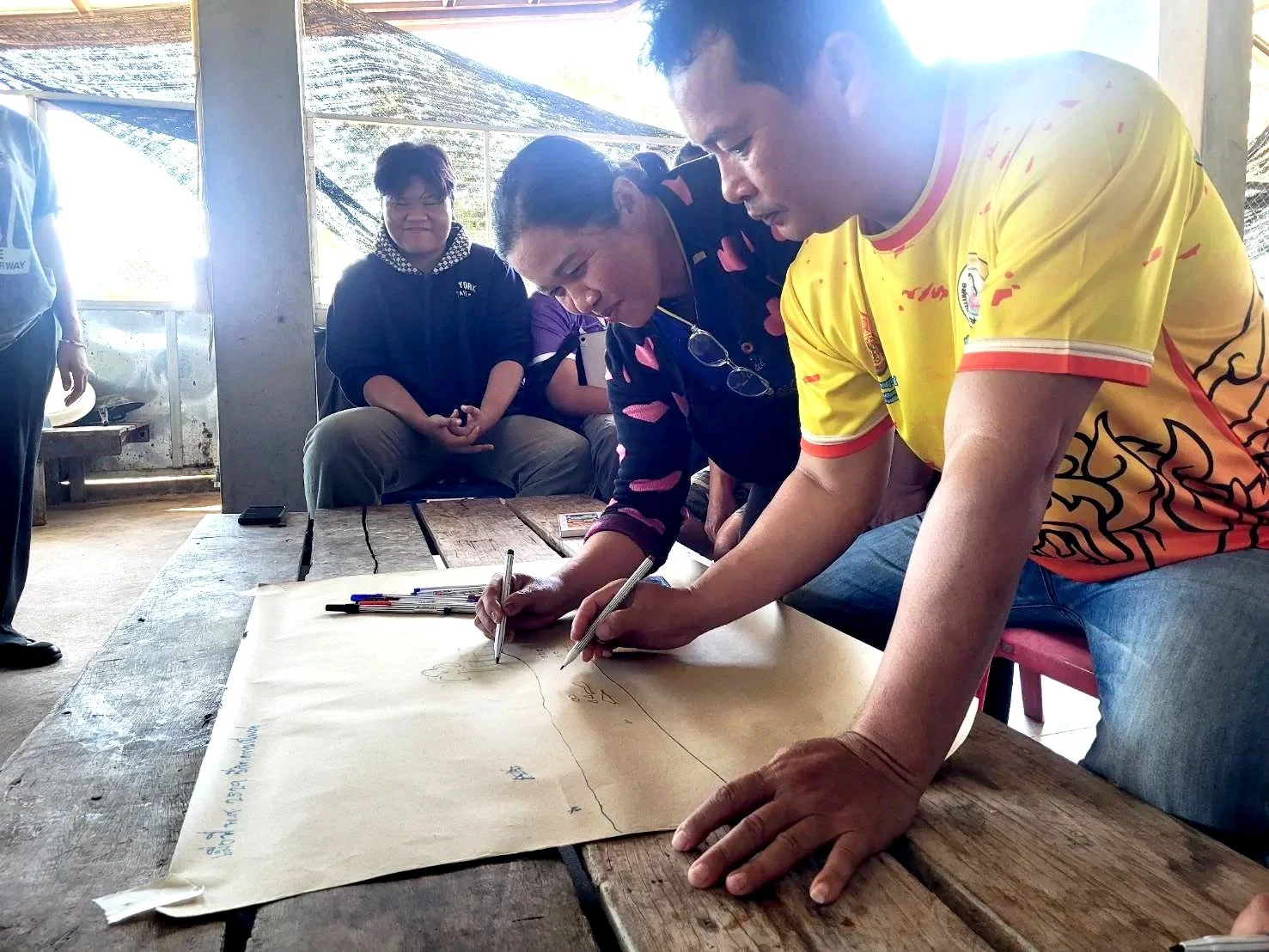
While initially difficult to grasp and often equally hard to plan and implement, the foundations and practice of transdisciplinary research have the important ability to create more inclusive and impactful projects, better benefitting the community and transferring knowledge to multiple parties. In a development climate where community engagement, particularly of the most marginalized populations, justice seeking and empowerment have become the goals of practitioners and increasingly, researchers, utilizing a transdisciplinary methodology and mindset can help achieve the goals of both scientists and participants, closing the gap that often exists in such settings. Throughout the training and subsequent field work, I not only found the methodology sessions but also the conversations and debates incredibly insightful for my own work, research and future goals. As someone who has taken up work in the development sector with a particular interest in giving voices to members of society long forgotten, ignored or targeted, I believe employing transdisciplinary methods is something that will more easily allow me to achieve those goals.

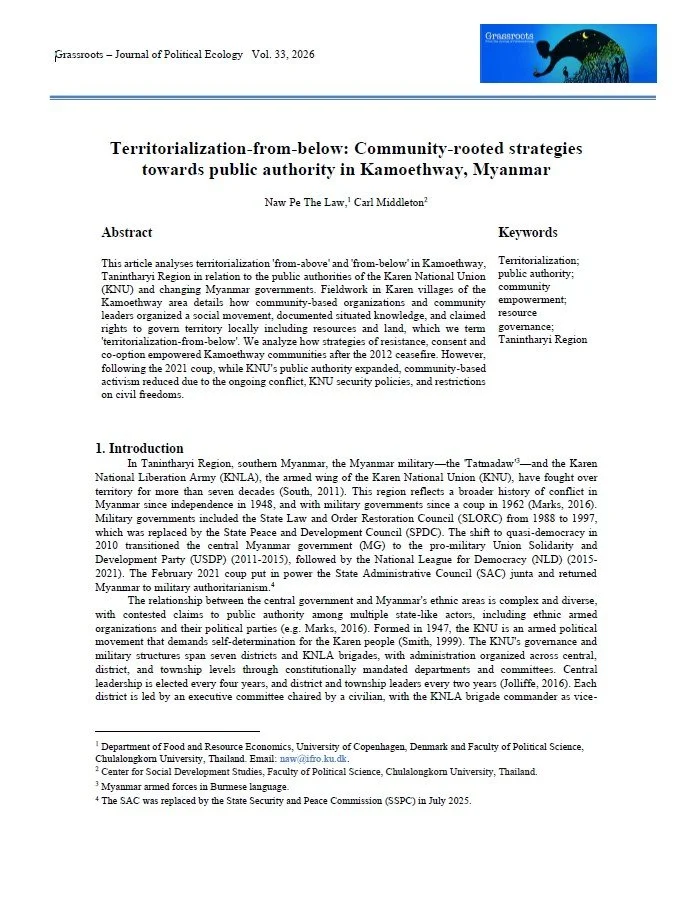
The Greater Mekong Forum on Water Food and Energy provides a great chance for participants to exchange their knowledge and views on international rivers in the region. At the most recent Forum in Bangkok, in November 2016, my attention was caught by a presentation titled “From MRC (Mekong River Commission) to LMC (Lancang-Mekong Cooperation) towards a healthy economy and healthy river in Greater Mekong: the core transboundary compensative mechanism for water benefit-sharing.” During the forum, when Professor He Daming from Yunnan University proposed a transboundary compensation mechanism for water benefit-sharing after introducing the Chinese-initiated Lancang-Mekong Cooperation, launched in 2016, participants around my table first understood that after building eight dams on the upper Lancang-Mekong mainstream, China finally admitted those dams caused negative impacts to downstream states and would like to offer certain compensation under the LMC. However, when the presentation reached its end and a short discussion followed, several pairs of eyes widened when they found out that what was being proposed instead was that downstream states might get a bill under the transboundary compensation mechanism if they expected river flow augmentation from the upstream dams during times of drought, or that they had to offer to pay China if they asked for no more dams to be built on the upstream.

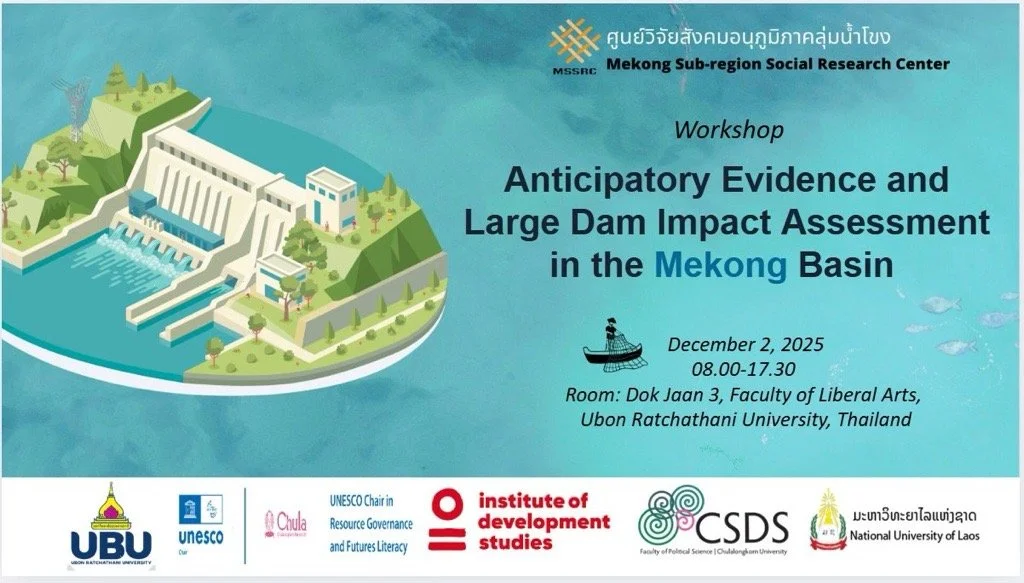
What are the existing conditions of ethnic rural women in two villages in the downstream area of the proposed Mong Ton Dam project in relation to men in their day-to-day life? How do women control and get access to resources at home, in the community and the country? What would be the implications for them if the large-scale dam is built?

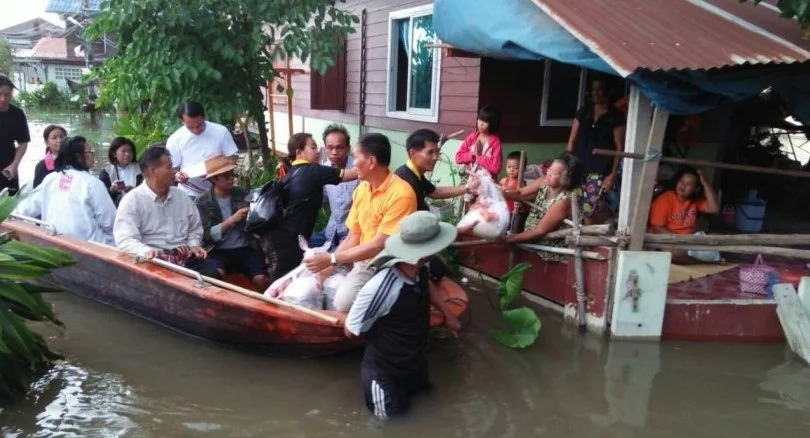
When we think of innovation or “design thinking”, it’s often in the context of technology. We may think of places such as Silicon Valley as being capitals of innovation, where thinking outside of the box is the key to success. In reality, however, innovation is more prevalent, extending far beyond the tech world, and we now see the process of design thinking being applied in new ways to create positive social impact in developing areas. Some examples include design thinking for natural disaster risk reduction and response, enhancing access to reproductive health and hygiene for women in rural areas, and re-packaging health products to increase its appeal to low-income communities. Design thinking is also being recognized as a way to support more inclusive development, where the intended beneficiaries of development interventions are fully engaged in the process of formulating that intervention.

"...In the water there are fish, in the fields there is rice..." This famous line from the ancient inscription by Rapee Sagarik is still heard nowadays, but in reality, Thai farmers’ way of life has changed from time to time. I had the opportunity to attend the Innovative for Inclusive Development (IID) course for my second trimester in the Chulalongkorn MAIDS program. For the course, I interned at the Ban Chanote, Klong Yong-Lantakfa Community Enterprise, which is located in one of the most fertile areas of the Central region in Nakhon Pathom province.

By Peter, MK31 Fellow
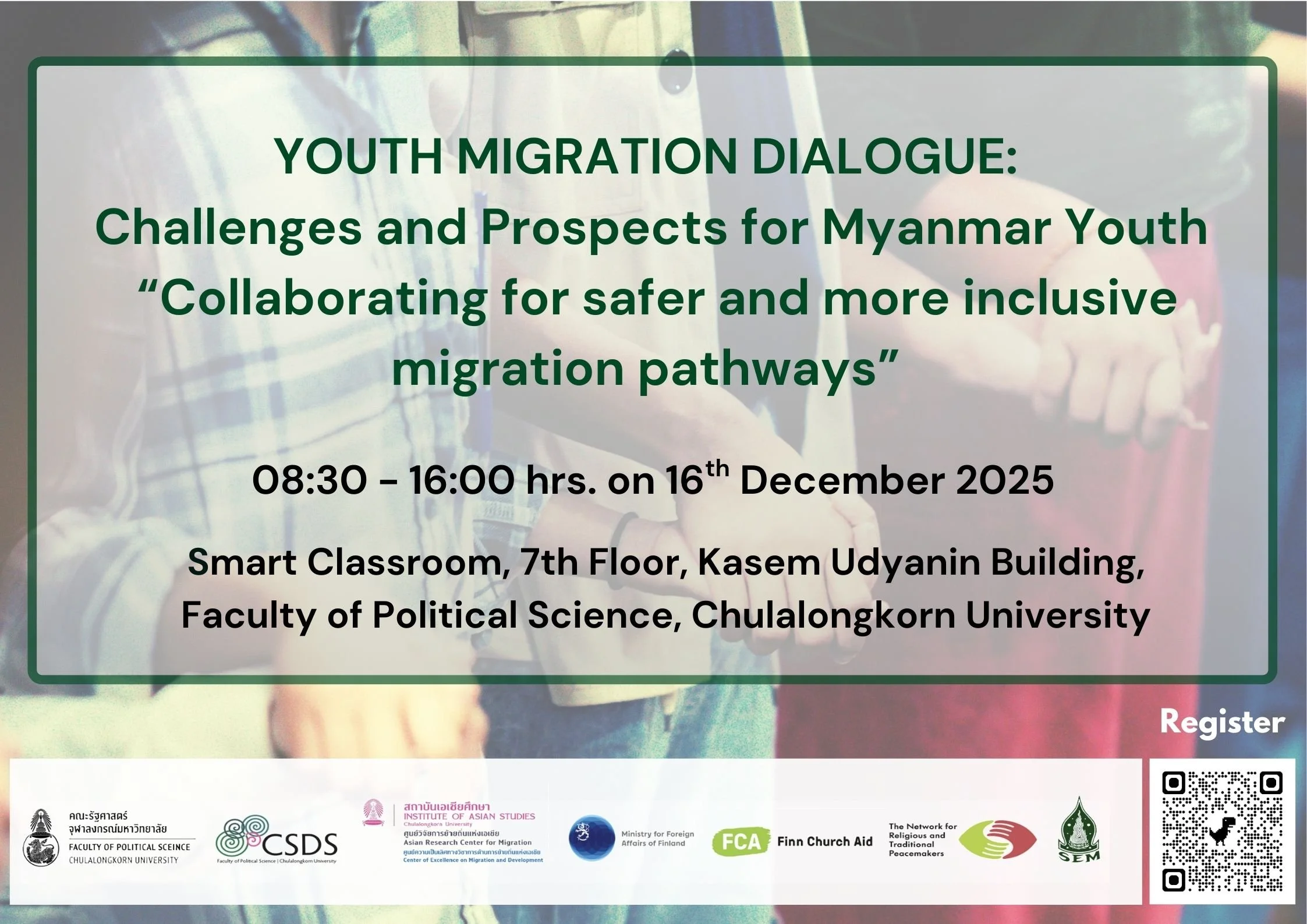
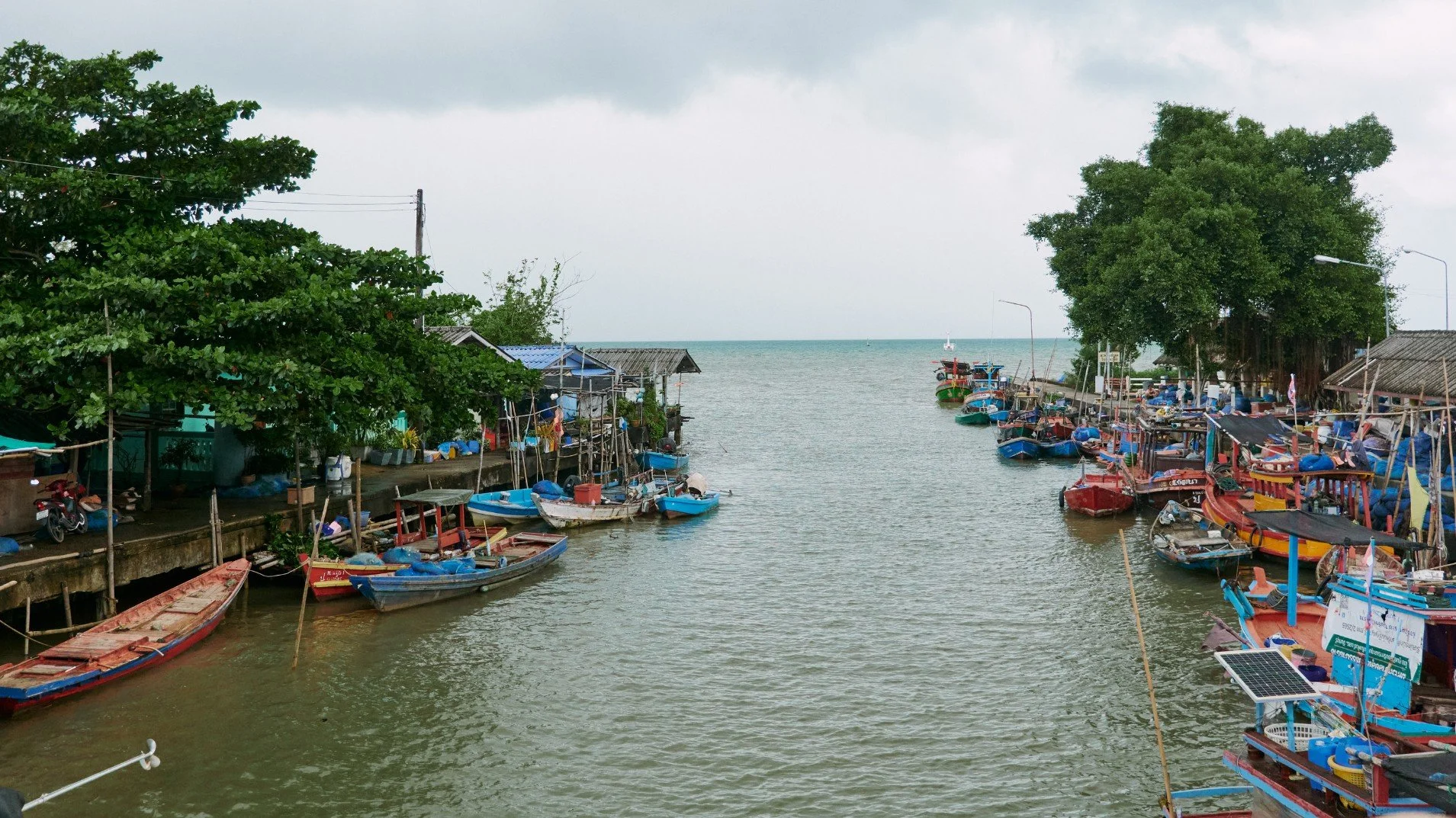
The political transition in present-day Myanmar has brought forward tremendous economic, social, and environmental change and an associated expansion in challenges and opportunities: accelerating capital investment, intensifying resource use and extraction, and heightened conflict partly due to non-inclusive development model.