“The goal of transdisciplinary research is to produce knowledge that addresses real work problems."
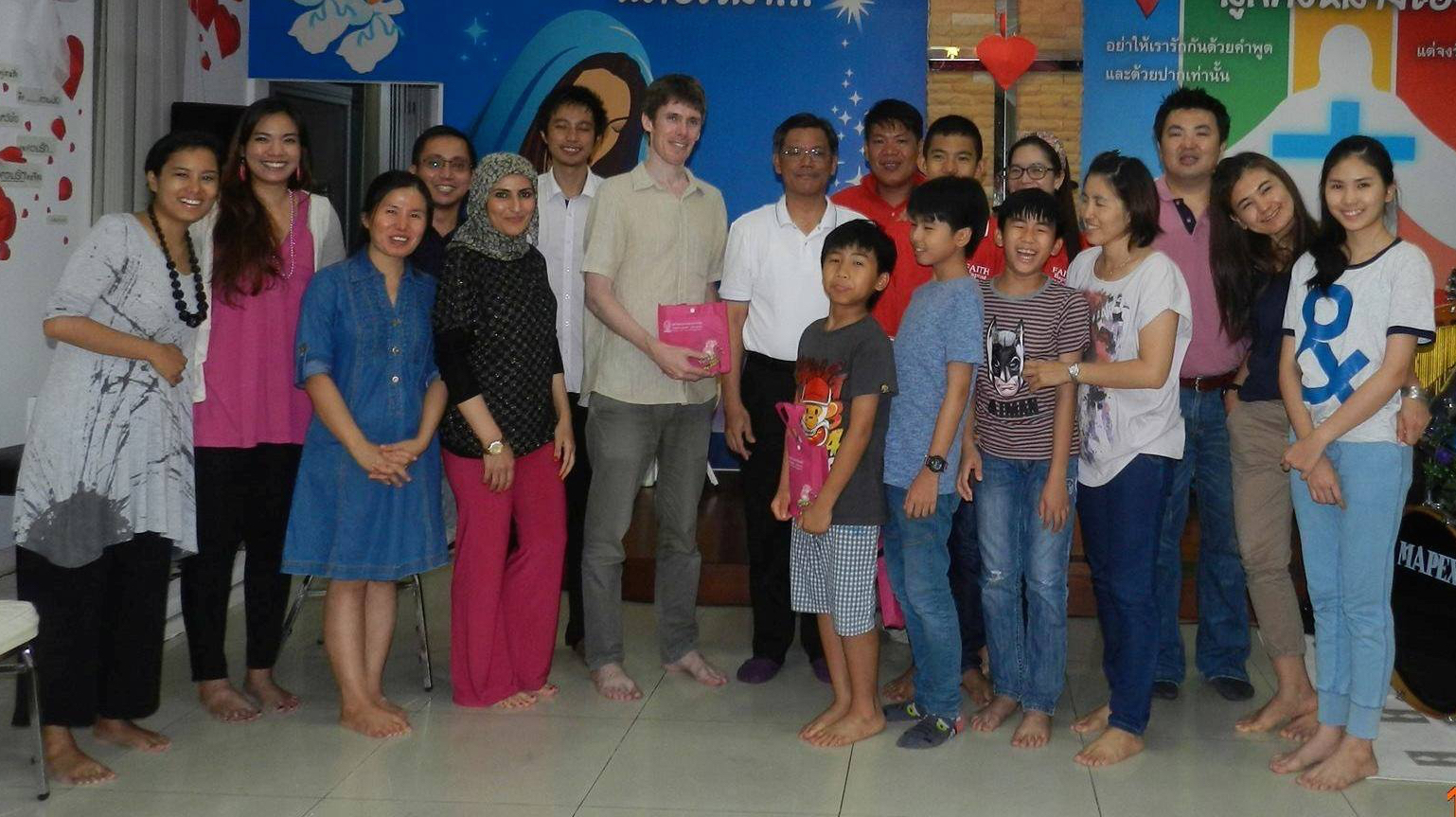
Transdisciplinary research involves equal collaboration between a range of actors sharing a practical societal problem. The research is a negotiated process between them starting from a joint understanding of the problem before then developing research questions and a research approach together .
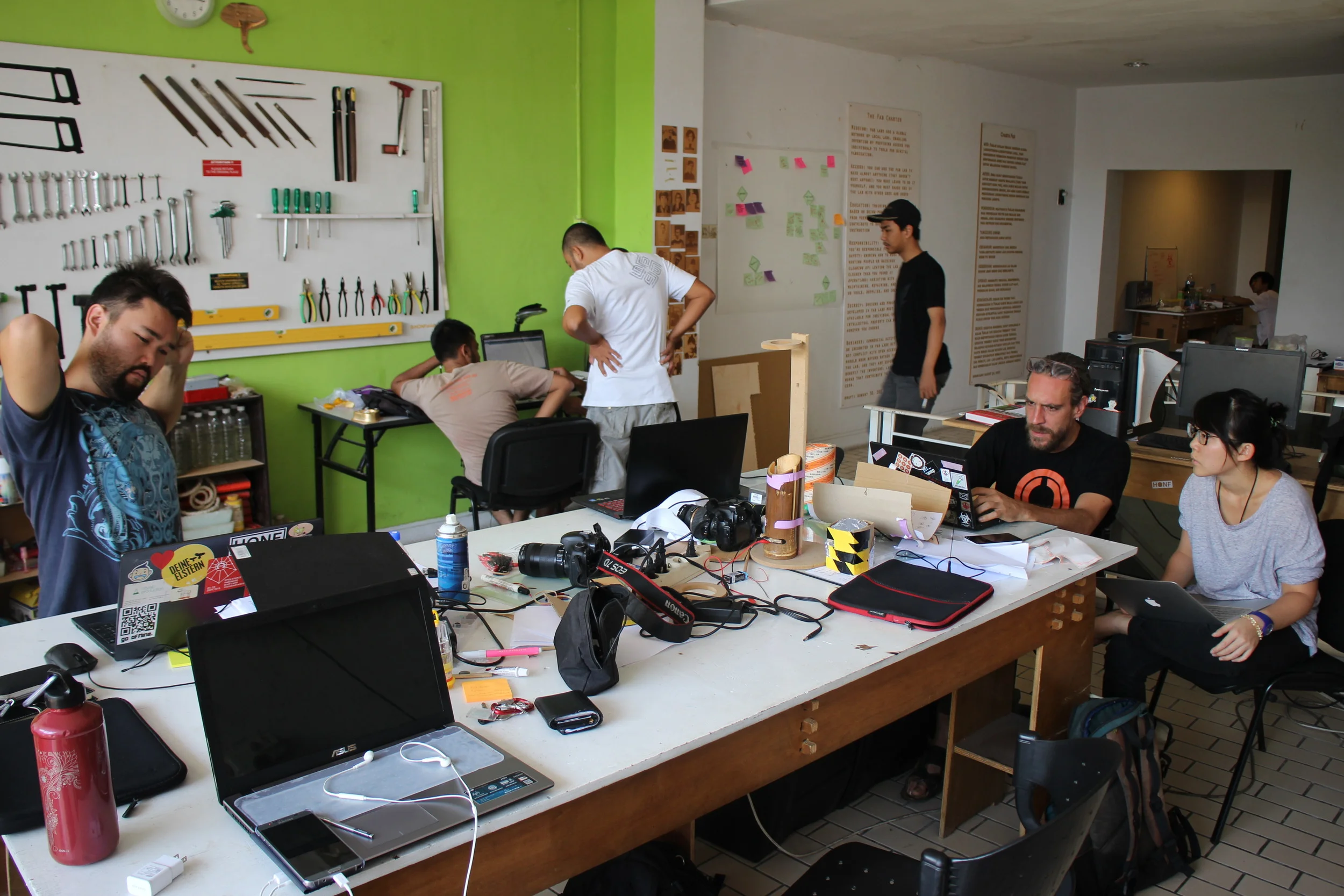
CSDS is increasingly engaged in transdisciplinary research projects. We are also exploring how to integrate transdisciplinary research into student courses on the MAIDS program. This includes via an elective course titled “Innovation for Inclusive Development (IID)” and the KNOTS project that supports curriculum development.
Ongoing Research
Past Research
Publications
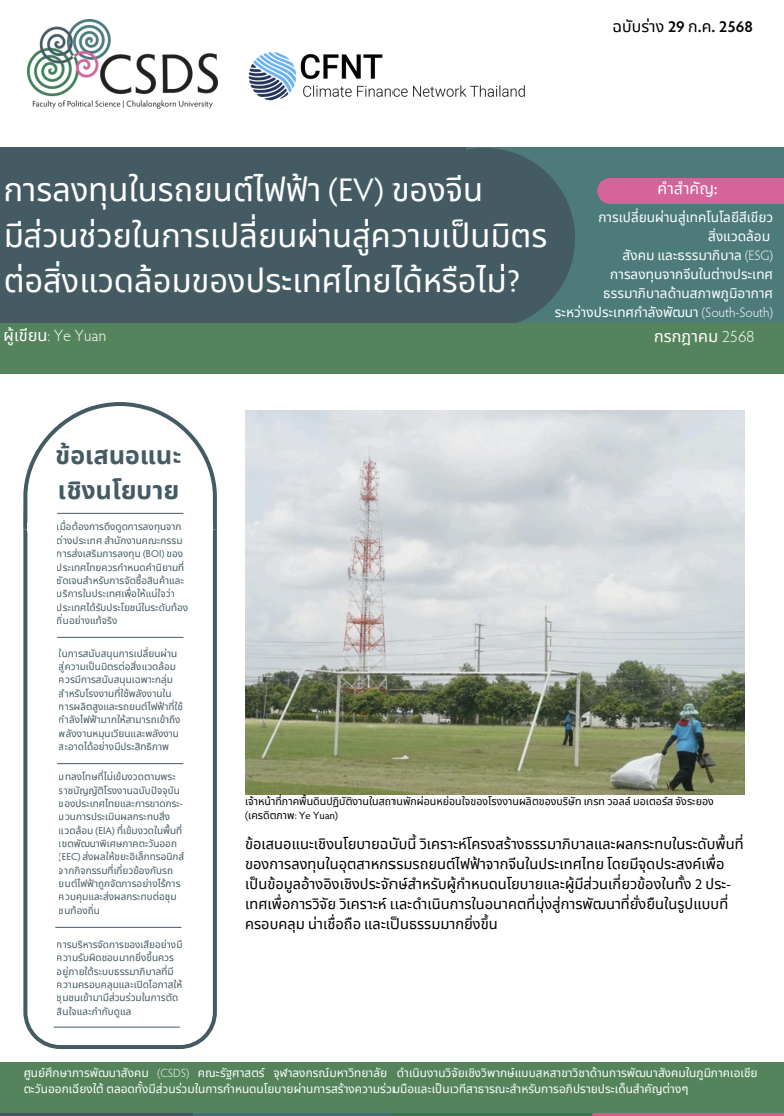
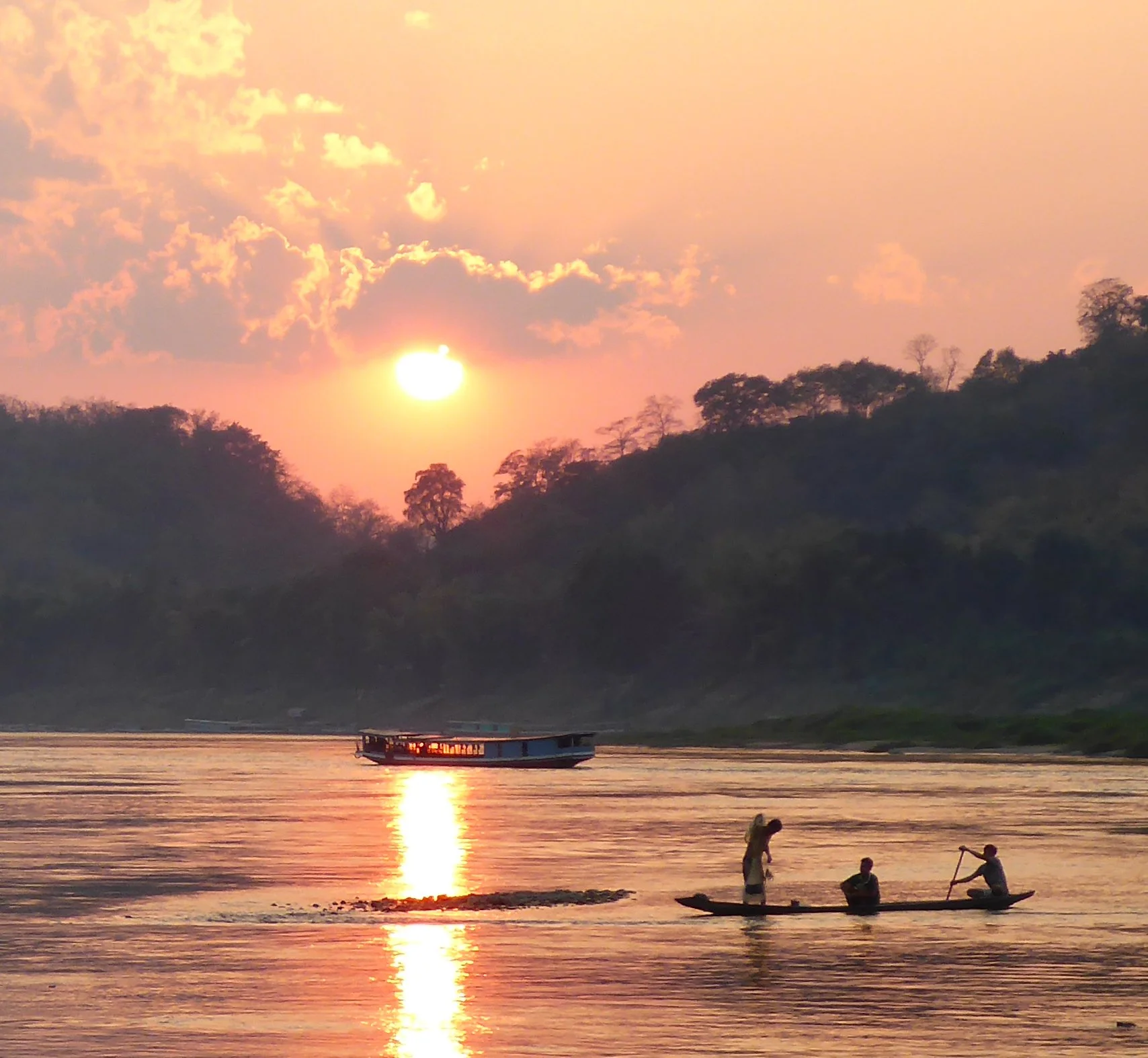
The Mekong Region contains extensive wetlands of great biodiversity that provide a wide range of ecosystems services and that are also important to human well-being (ADB, 2012). Within these wetlands, local communities often practice agroecological farming, including growing rice and vegetables, animal raising, fishing, and collecting non-timber forest products. Unfortunately, many wetlands in the Mekong Region have been degraded or even lost, including due to agricultural intensification, large-scale water infrastructure development, and land use changes associated with urbanization (Hughes, 2017). The loss of wetlands is a threat to regional sustainable development. Furthermore, as wetlands are lost, so too is the local knowledge associated with their ecosystems and how to practice agroecological farming there.
By Carl Middleton, Somporn Pengkam, and Areeya Tivasuradej
This chapter illustrates how the Khao Hinsorn community in Thailand have undertaken a CHIA as a means to challenge an expert-led EHIA that backs a proposed coal-fired power station near their community. Through the CHIA, the community successfully revealed analytical shortcomings in the EHIA, and in the process broadened the definition of legitimate knowledge considered within formal state-led decision-making processes. We argue that CHIA has emerged as an important and strategic collective action response in Thailand, which has contributed towards social learning and community empowerment, and thus enabled the contestation of unequal power relations within knowledge production with implications for social justice outcomes.
New ways of thinking about and tackling poverty are needed. One approach that has been proposed is innovation for inclusive development (IID), which has been defined as “innovation that reduces poverty and enables all groups of people, especially the poor and marginalized to participate in decision making, create and actualize opportunities, and equitably share in the benefits of development” (IDRC, 2013:5). This book chapter maps out approaches towards and the relationship between inclusiveness, innovation and development, and introduces a new Master-level module titled “Principles, Tools and Practices for Innovation for Inclusive Development (IID) in Southeast Asia” being taught on the MA in International Development Studies Program, Chulalongkorn University.
Activities and Events
Research Blogs
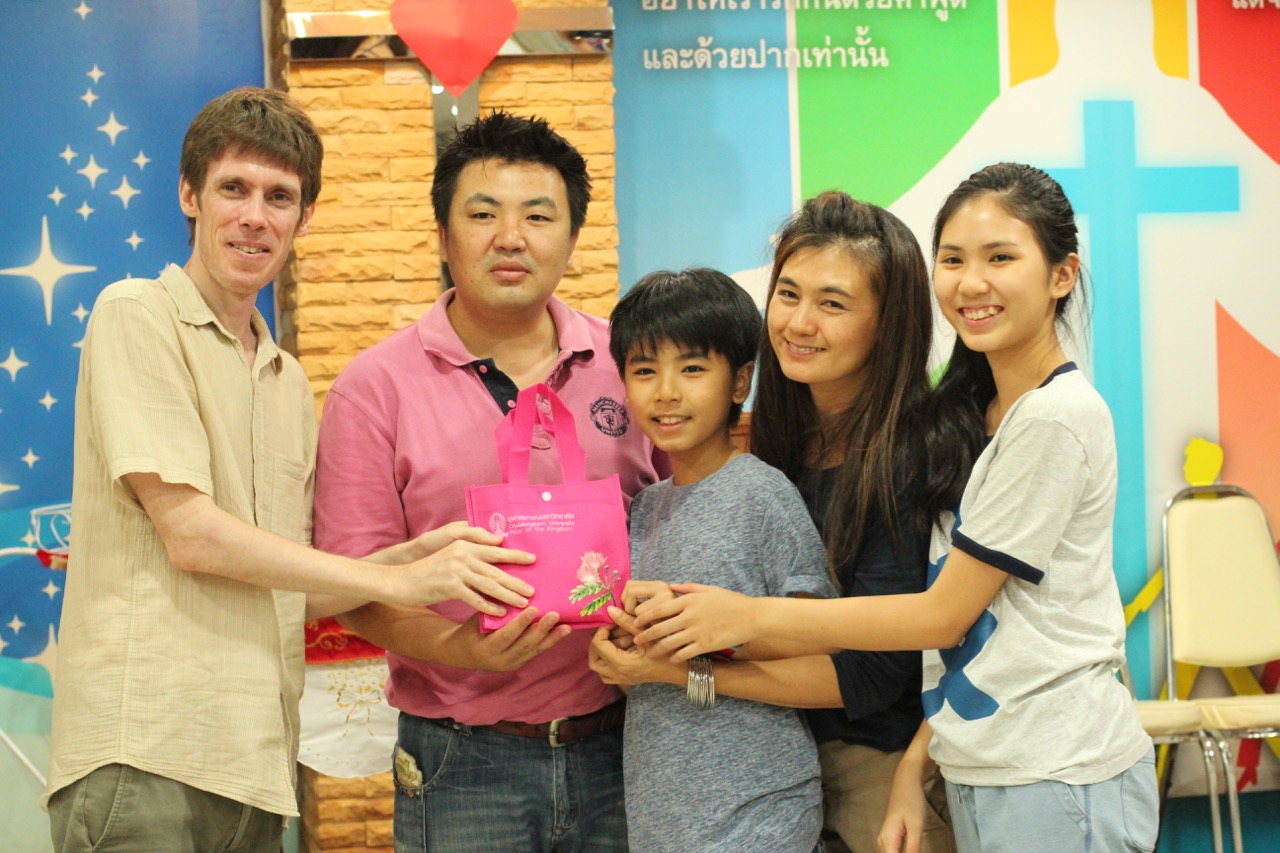
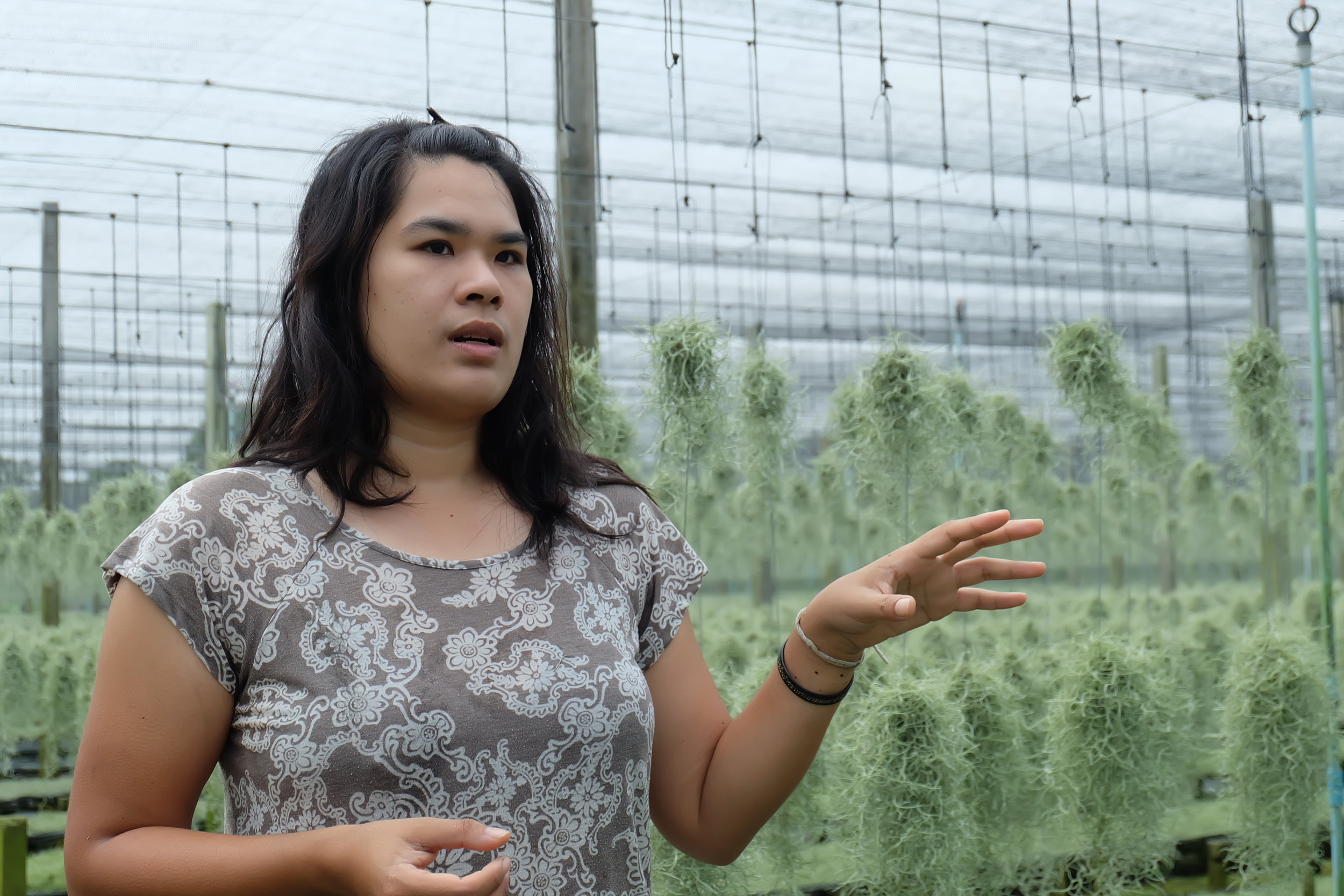
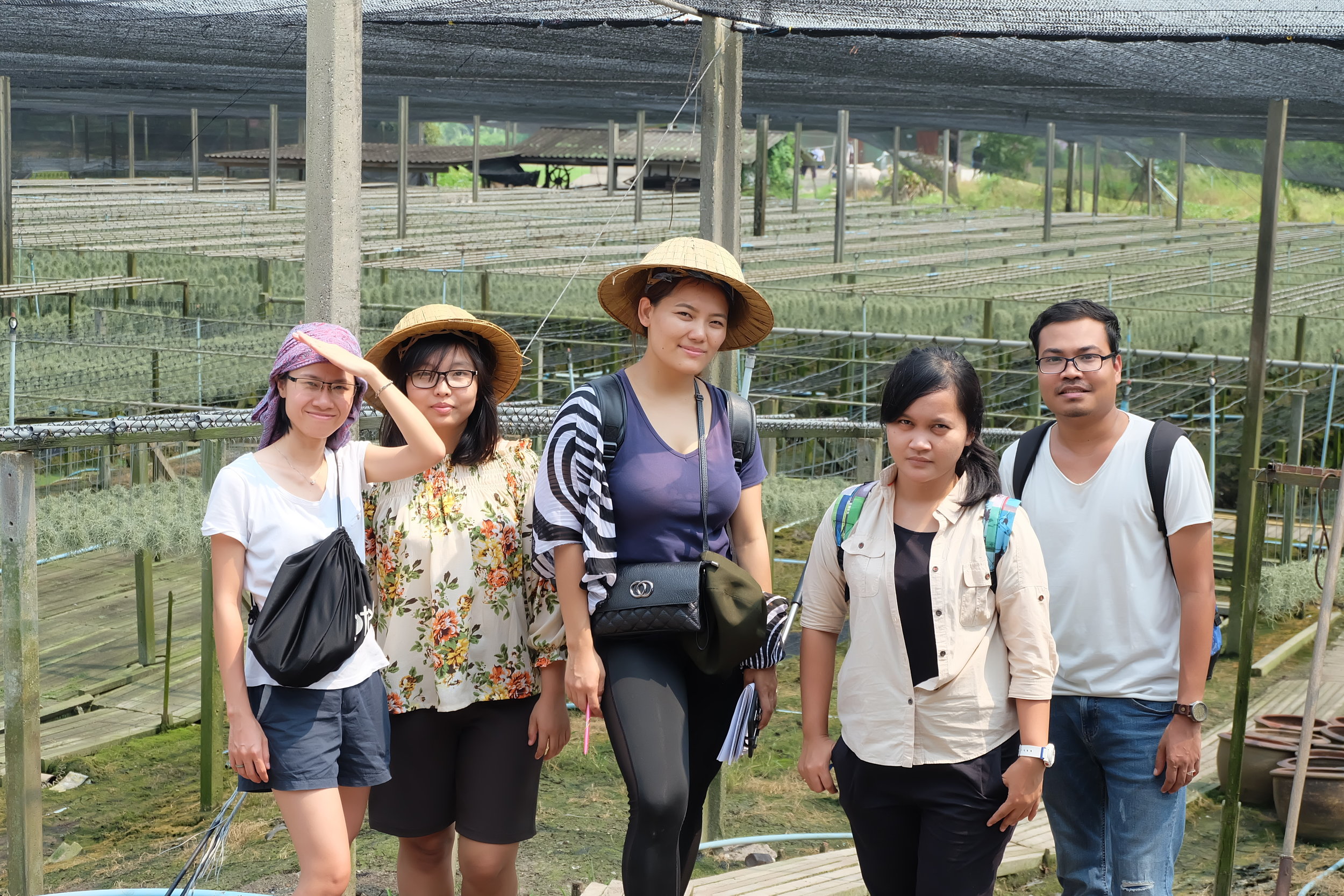
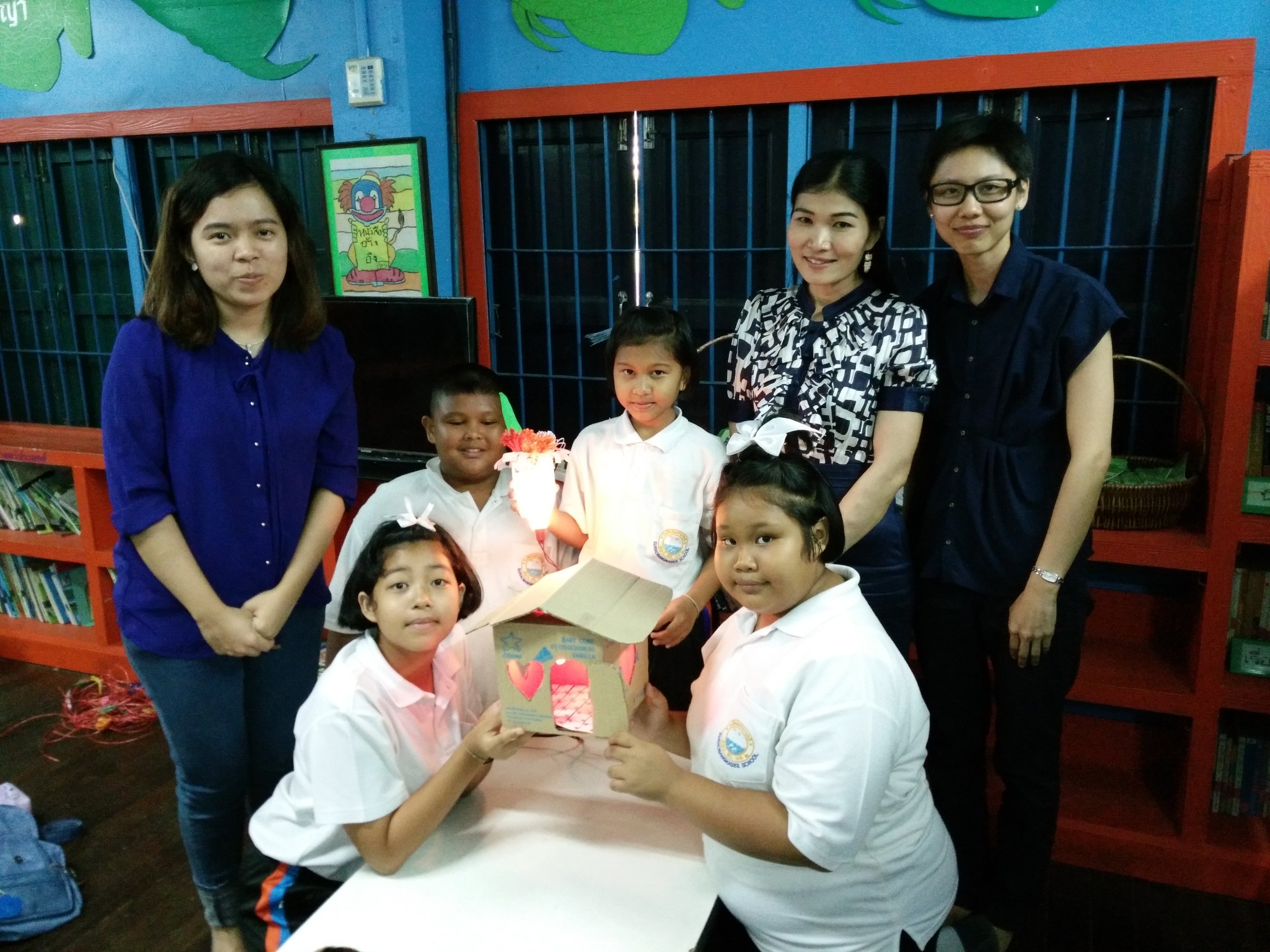
In the spring of 2018, the students of the Chulalongkorn University Masters in International Development Studies (MAIDS) Innovation for Inclusive Development (IID) course embarked a journey of learning, discovery and community, centered on the organic farming collective of Khlong Yong – Lan Tak Fa located just outside of Bangkok in Nakhon Pathom Province, Thailand. While the courses requirements left the options and engagement in their hands, it did require the students to bring solutions or changes to certain issues for a group of people in their community, using the specific design processes that were learned during the semester. The economy of Khlong Yong Community primarily relies on their agricultural outputs but they now also have gardens and livestock and are looking towards sustainable, eco-tourism to bring in more interest and profit to their tight knit community. Using the design thinking approach of "empathize, define, ideate, prototype, and test," the group of students, made of up nationals from all over Southeast Asia, engagement the community and created a set of publications and videos that they could use for the uptick of foreign visitors they hope to attract in the coming years.
While initially difficult to grasp and often equally hard to plan and implement, the foundations and practice of transdisciplinary research have the important ability to create more inclusive and impactful projects, better benefitting the community and transferring knowledge to multiple parties. In a development climate where community engagement, particularly of the most marginalized populations, justice seeking and empowerment have become the goals of practitioners and increasingly, researchers, utilizing a transdisciplinary methodology and mindset can help achieve the goals of both scientists and participants, closing the gap that often exists in such settings. Throughout the training and subsequent field work, I not only found the methodology sessions but also the conversations and debates incredibly insightful for my own work, research and future goals. As someone who has taken up work in the development sector with a particular interest in giving voices to members of society long forgotten, ignored or targeted, I believe employing transdisciplinary methods is something that will more easily allow me to achieve those goals.
When we think of innovation or “design thinking”, it’s often in the context of technology. We may think of places such as Silicon Valley as being capitals of innovation, where thinking outside of the box is the key to success. In reality, however, innovation is more prevalent, extending far beyond the tech world, and we now see the process of design thinking being applied in new ways to create positive social impact in developing areas. Some examples include design thinking for natural disaster risk reduction and response, enhancing access to reproductive health and hygiene for women in rural areas, and re-packaging health products to increase its appeal to low-income communities. Design thinking is also being recognized as a way to support more inclusive development, where the intended beneficiaries of development interventions are fully engaged in the process of formulating that intervention.
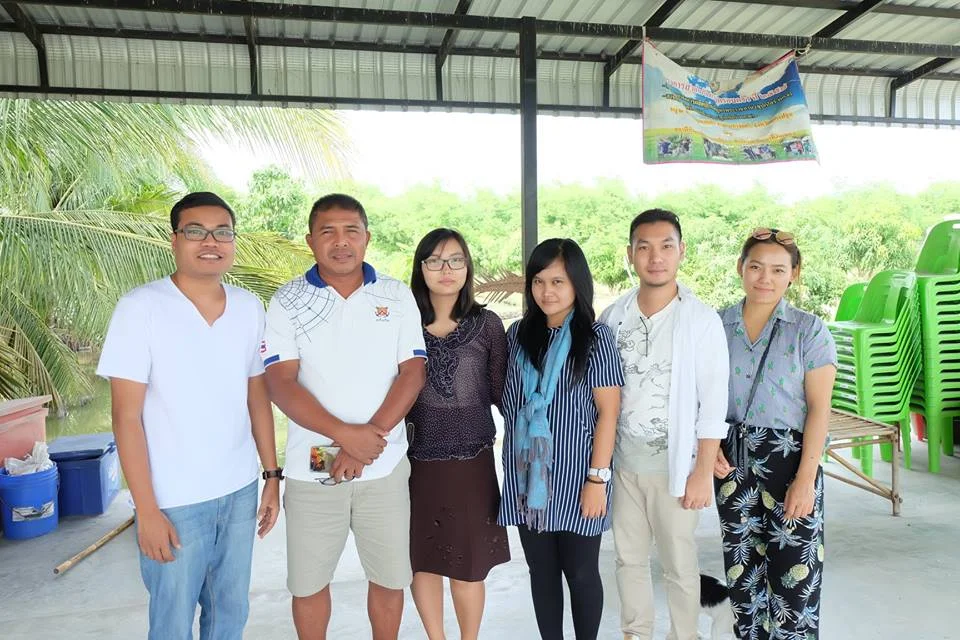
"...In the water there are fish, in the fields there is rice..." This famous line from the ancient inscription by Rapee Sagarik is still heard nowadays, but in reality, Thai farmers’ way of life has changed from time to time. I had the opportunity to attend the Innovative for Inclusive Development (IID) course for my second trimester in the Chulalongkorn MAIDS program. For the course, I interned at the Ban Chanote, Klong Yong-Lantakfa Community Enterprise, which is located in one of the most fertile areas of the Central region in Nakhon Pathom province.
“When ecosystems change, people change.” These five words, spoken by a member of the Rasi Salai community, really capture what we were able to observe during the MAIDS program’s first trimester fieldtrip this year. From November 13 – 15, we traveled to Rasi Salai in Northeastern Thailand to learn about the impact of the contested Rasi Salai irrigation dam on the surrounding community from the Tam Mun Association. The Tam Mun Association is a community organization working to raise awareness about the impacts of the dam on their livelihoods as well as share local traditional knowledge.
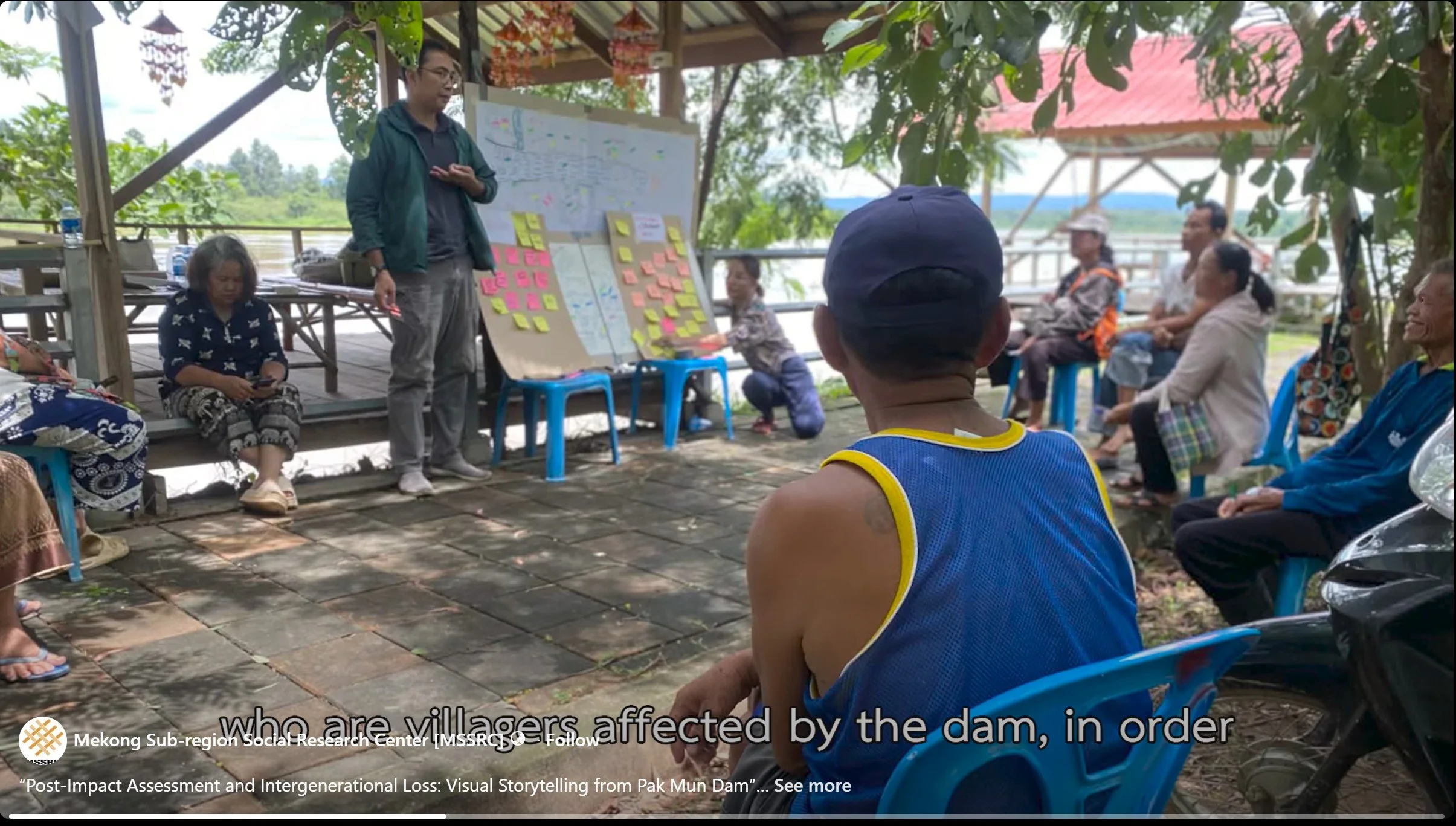
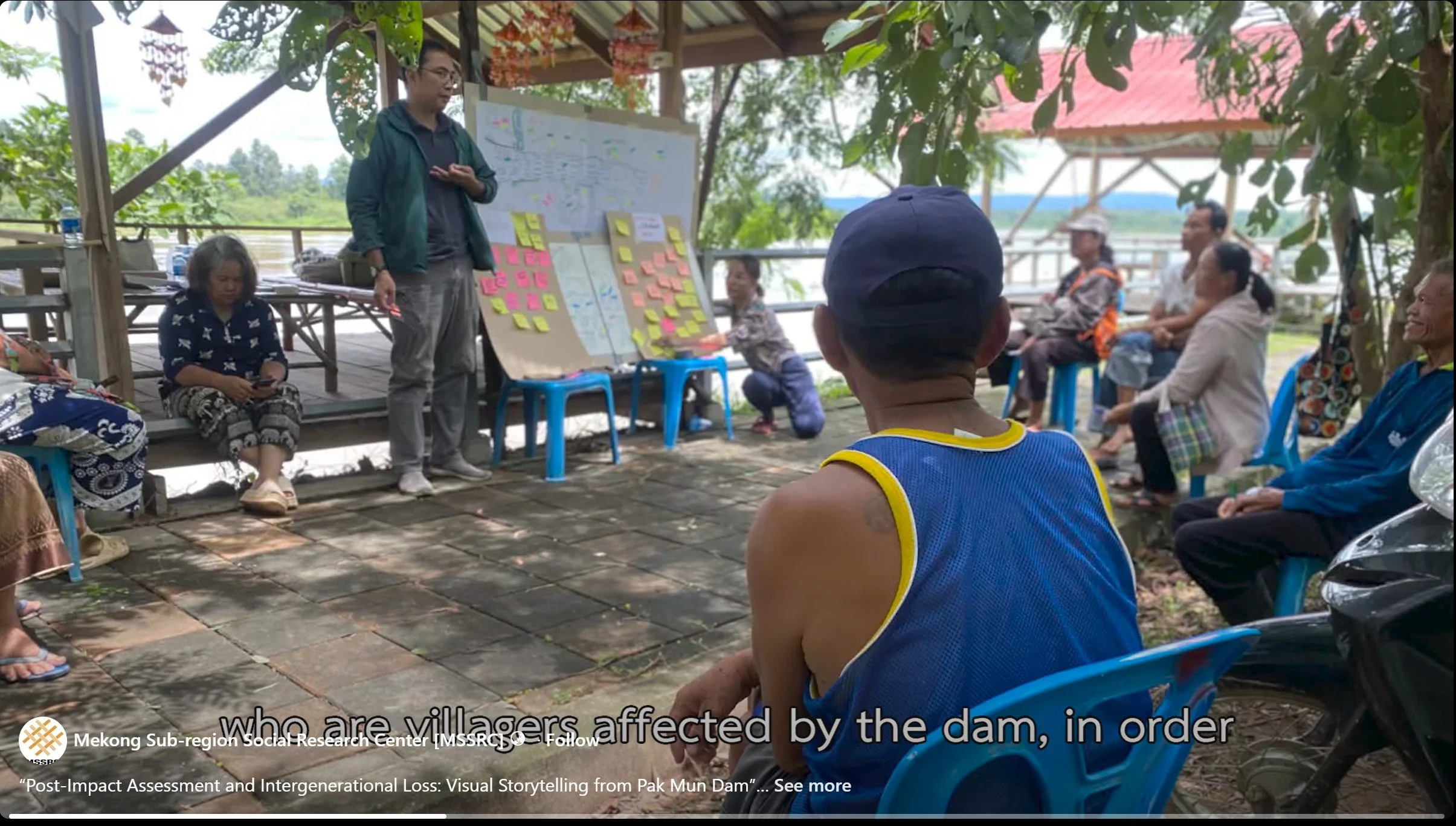
In 1993, on the Mun River in Si Sa Ket Province, Northeast Thailand, an irrigation weir called Rasi Salai was built that would lead to almost two decades of at times intense conflict between the communities whose livelihoods were harmed by the project and the government agencies that built and operated it. Since the late 2000s, however, the conflict has gradually thawed as a participatory social impact assessment was produced supported by the Royal Irrigation Department (RID), the government partly compensated affected communities, and negotiations began on how lost livelihoods could be recovered.
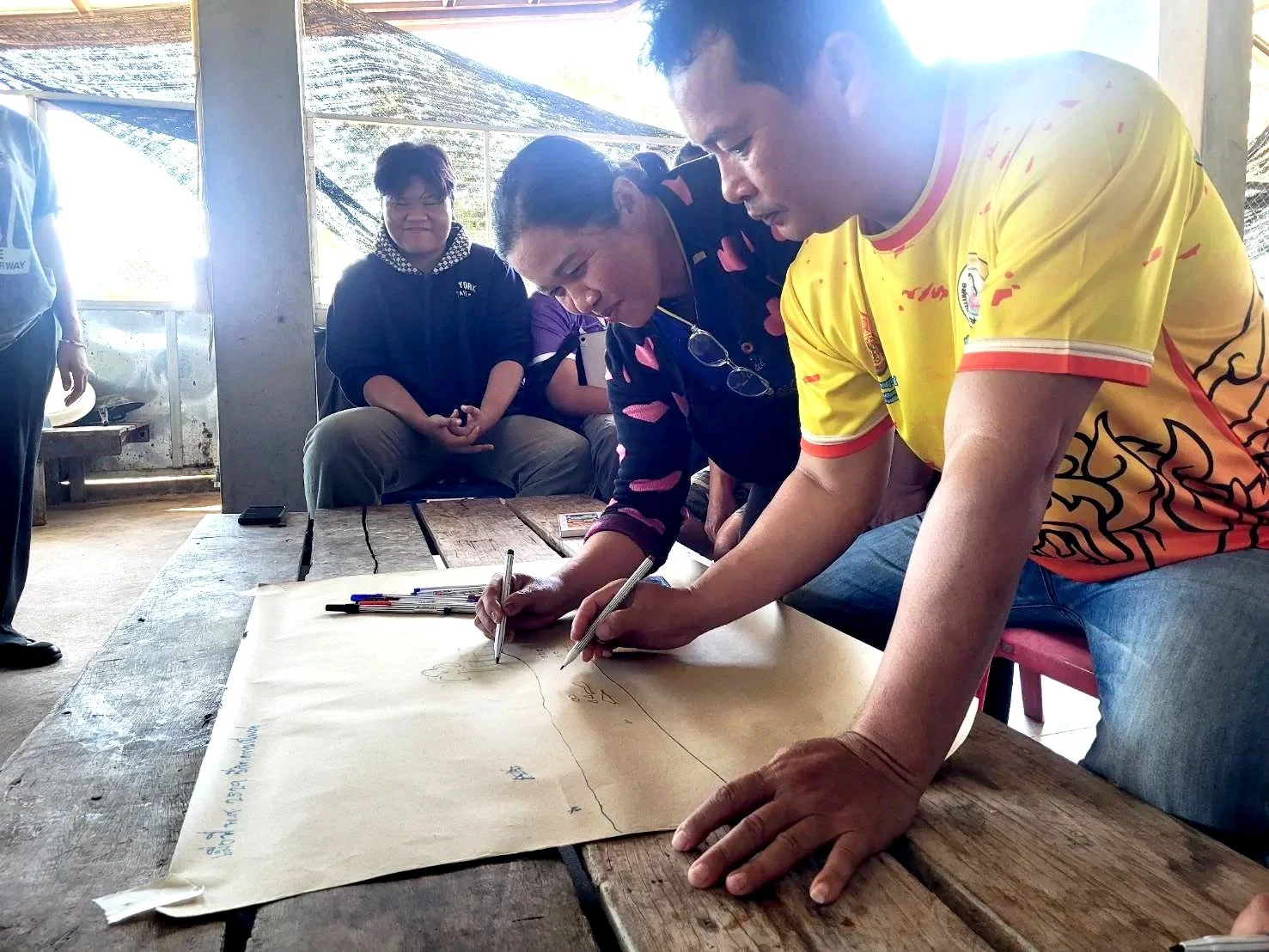
In this context, the RECOVER project in Northeast Thailand, led by the Mekong Sub-Region Social Research Center (MSSRC), Ubon Ratchathani University and with support from SUMERNET, has worked together with community leaders and affected villagers, community-based organizations and non-government organizations, local authorities, and government officers from RID and the Office of Natural Resource and Environment in a collaborative wetland mapping project. The project addresses a self-identified goal agreed upon amongst the project partners to clearly categorize a wetland area affected by the Rasi Salai dam, and designate permitted uses within it which may range from rice and cassava growing, to fish or forest conservation areas.

The first workshop for the project was hosted by the Vietnam Academy of Water Resources in Hanoi on 20-22 June 2015.
The “Capacity Building and Professional Development of Water Governance and Regional Development Practitioners in the Mekong, Salween and Red river basins” project will strengthen the capacity for undertaking research and policy engagement of scholars and practitioners of water, land and energy use, management and governance in the Red, Mekong and Salween river basins. It also intends to build a learning community amongst these scholars and practitioners.
Across the Mekong Region, a great diversity of wetlands and the agro-ecological farming that they support are central to many rural communities’ livelihoods, and contribute to local and national economies. Unfortunately, many areas have been degraded or lost due as a consequence of large-scale infrastructure development, including for irrigation and hydroelectricity. In October 2014, our SUMERNET Phase 3 project got underway in three locations in the Mekong Region in Thailand, Laos and Vietnam aiming to contribute towards the recovery of such wetlands, their agro-ecological farming systems, and local ‘situational’ knowledge associated with both.