WORKSHOP: Rivers, Development, and Impact Assessment: Experience, Practice, and Future Prospects in the Mekong Basin, Vientiane, Laos (26 Jan 2026).

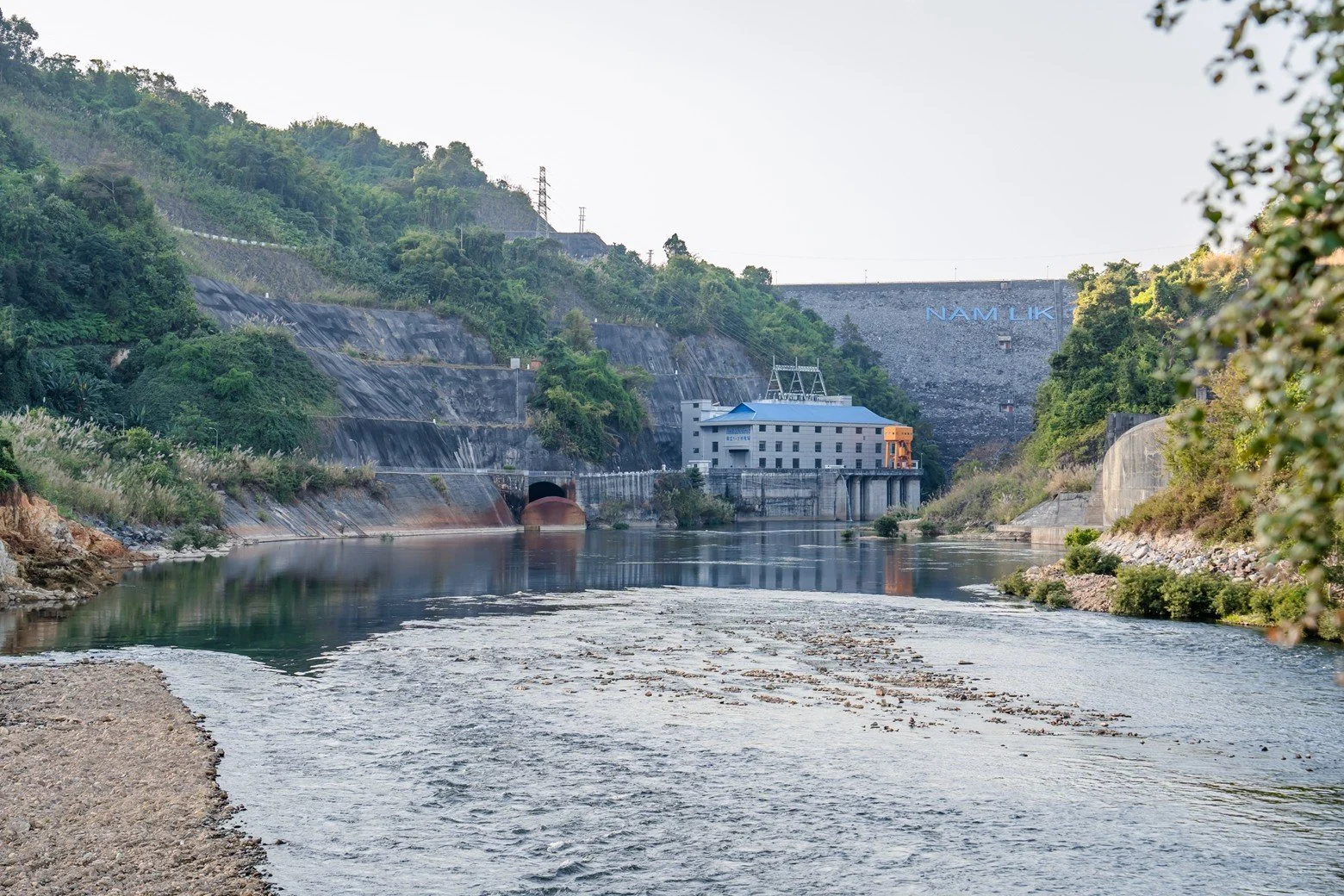
Nam Lik 1-2 Dam

Nam Lik 1-2 dam (Credit: author)

In a region where hydropower development has often impacted communities' river-dependent livelihoods, how can impact assessment policy and practice be improved to integrate local knowledge, Gender Equality, Disability, and Social Inclusion (GEDSI), and comprehensive ecological evidence to transition from just aiming for project compliance toward a truly equitable and green transformation?

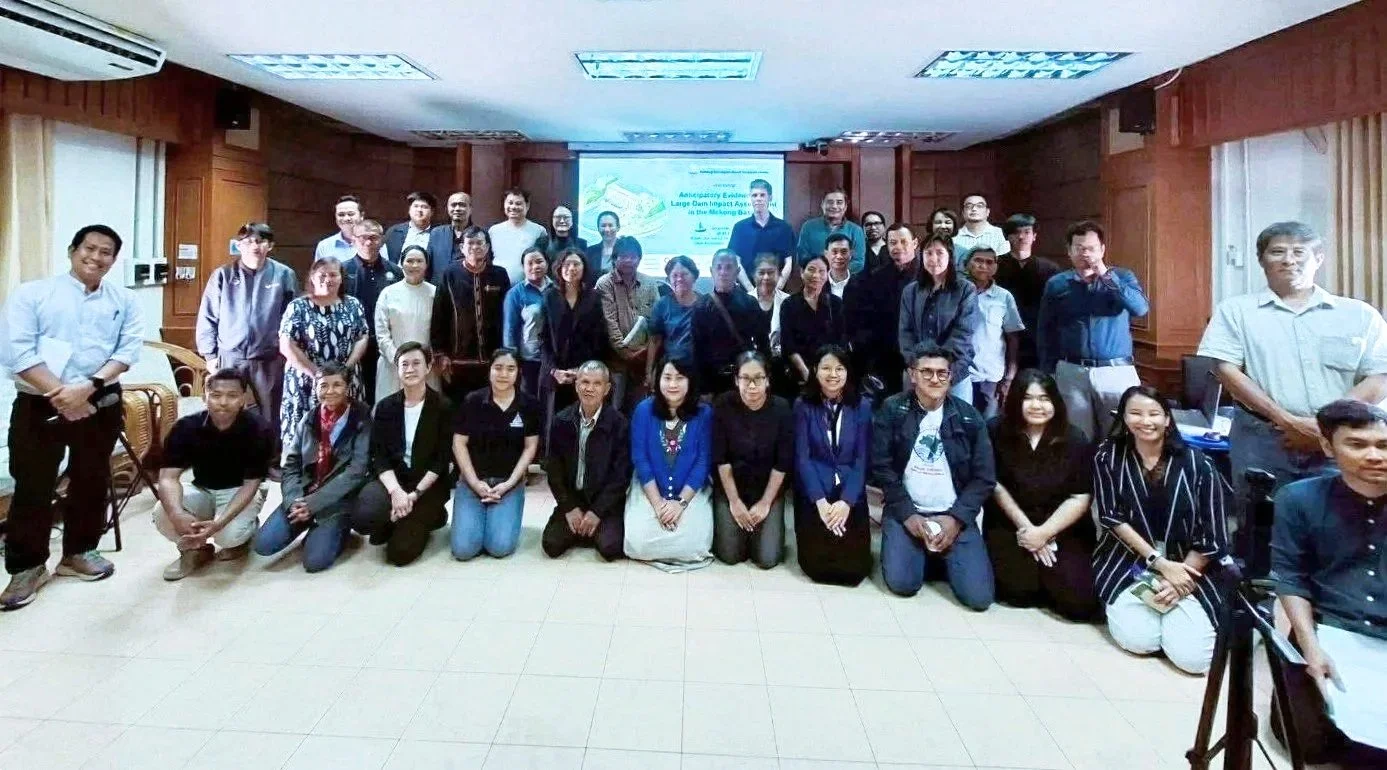
On 26 January 2026, a workshop on “Rivers, Development and Impact Assessment: Experience, Practice and Future Prospects in the Mekong Basin was organized in Vientiane, Laos, to reflect on how impact assessment is understood, practiced, and contested across different scales. The workshop brought together government agencies, researchers, environmental consultants, private sectors, civil society organizations, and development partners to reflect on how impact assessment policies and practices have changed over time and what issues remain unresolved. Building on fieldwork in villages affected by development projects, the workshop created a space to connect policy debates with lived experiences.
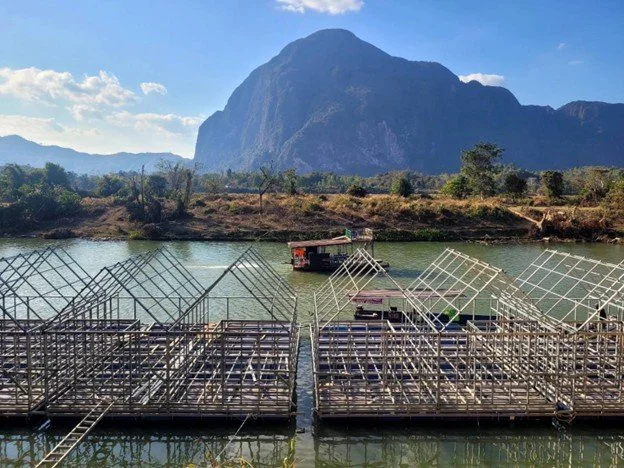
Floating Bungalows on the Nam Lik River Feuang District, Laos (Credit: author)

The workshop kicked off with one of the core objectives: to examine how impact assessment laws and policies, including environmental and post-impact assessment, have changed in Laos and why these changes are important. Speakers noted that the goal of impact assessments has shifted from simply meeting requirements to ensuring long-term social and environmental responsibility. While consultants discussed day-to-day assessments, government officials focused on the challenges of monitoring and enforcement. It became clear that there are multiple actors and interests influencing the design and implementation of the impact assessment, and each shapes its own way.

A second part of the workshop was discussed on livelihood, ecosystems and gender equality, disability, and social inclusion (GEDSI) in impact assessments. This theme found an important connection with observations from the fieldwork. Impact assessments often fail to track social changes, such as effects on income, gender, and local livelihoods. During the post-impact phase, communities are left to deal with long-term effects with limited support. Participants in the workshop emphasized that local knowledge is often recognized in theory but not incorporated in practice.

The speakers highlighted that the traditional EIA framework rarely integrates GEDSI principles into impact assessments, and it should be added as a basic requirement in policy and government practices, not an optional add-on. Moreover, the speakers discussed how local ecological knowledge was often devalued in IA, including situated knowledge on changes in water flow affecting fisheries, farming, and daily livelihoods, as well as changing of community dynamics.

The workshop also looked at how impact assessment works when implementing it. Some speakers noted that Laos has made progress in strengthening legal and institutional frameworks for impact assessment. Now, for example, there are clear procedures for how developers plan projects.  However, practical challenges in implementing assessment were also noted, including limited budgets, tight timelines, and competition in the market, which creates pressure to finalize impact assessments and weakens its implementation and post-assessment follow-up. It was also observed that the scale of a project affects how well it's managed. Small projects at the provincial level, for example, can struggle with technical capacity, sometimes leading to construction being completed before assessments are finalized. The quality of impact assessment is largely determined by developer commitment rather than just for requirements.

Looking ahead, participants discussed future prospects for impact assessment that emphasized building a stronger post-impact framework that can facilitate green transformation without social and environmental harm. The participants asked if impact assessments should continue as a procedural requirement that is emphasized primarily at the pre-approval stage, or changed into a more holistic and long-term governance tool that has continuity through the whole project cycle.

Both fieldwork and workshop discussions highlighted that impact assessment in the Mekong Region, including in Laos, is more than just a technical exercise. It is deeply shaped by development visions, power relations and regional energy demands. Villagers’ experiences of environmental and social change offer critical insights into long-term impacts that may not be immediately visible in formal assessments. By holding the workshop in a country at the center of Mekong hydropower development, it highlighted the urgency to rethink how impacts are governed and understood. If Laos continues to play a role as the “battery of Southeast Asia,” impact assessment should move towards processes with accountability, inclusion and long-term engagement with the people, as they are the center of the development.

The workshop marked an important step to reimagining impact assessment and bridging between policy and lived experience. It demonstrated the value of bringing diverse actors together to reflect on the challenges in impact assessment and provide insightful knowledge. Crucial insights highlighted the strengths, limits, and challenges of expert knowledge and the importance of foregrounding the voices of people most affected. While impact assessment frameworks in Lao PDR have advanced, significant gaps remain in addressing livelihood sustainability, ecosystem integrity, and GEDSI outcomes. Addressing these gaps requires stronger post-impact assessment, inclusive participation, and adaptive management to ensure development benefits are shared equitably and sustainably.

Workshop on “Rivers, Development, and Impact Assessment: Experience, Practice, and Future Prospects in the Mekong Basin," Vientiane, Laos. (Credit: author)
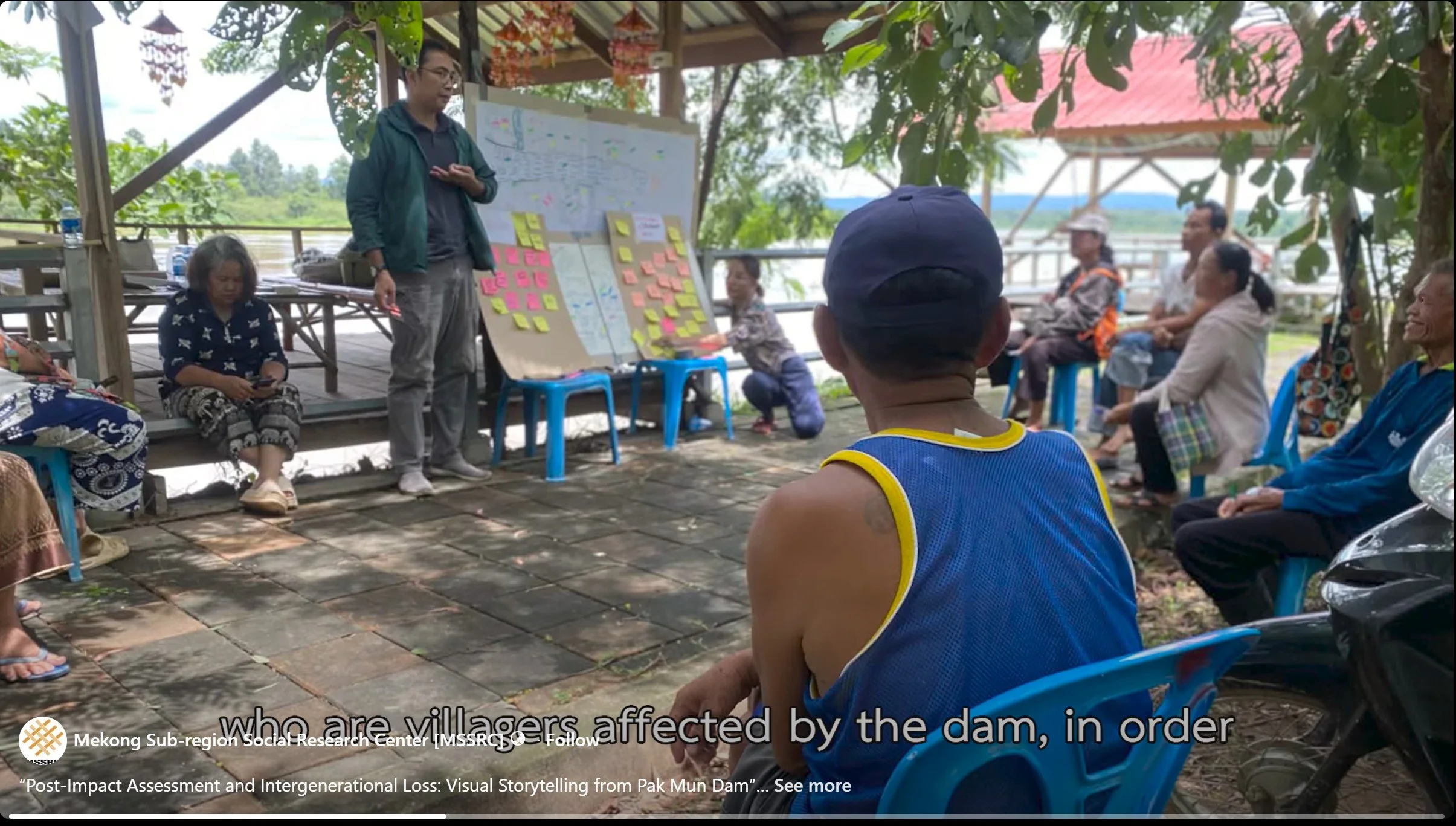
วีดีโอแบบมีส่วนร่วม: การประเมินผลกระทบภายหลังการสร้างเขื่อนและความสูญเสียที่ส่งต่อจากรุ่นสู่รุ่น: การเล่าเรื่องด้วยภาพกรณีเขื่อนปากมูล

วิดีโอนี้นำเสนอเรื่องเล่าผ่านภาพจากชุมชนที่ได้รับผลกระทบจากเขื่อนปากมูล โดยก้าวข้ามกรอบการประเมินผลกระทบแบบเดิม เพื่อชี้ให้เห็นว่าผลกระทบของเขื่อนยังคงดำเนินต่อเนื่องในระยะยาว ทั้งต่อวิถีชีวิต ระบบนิเวศของแม่น้ำ และความสัมพันธ์ทางสังคม ผ่านภาพวาด ความทรงจำ และเรื่องเล่าของชาวบ้าน วิดีโอนี้สะท้อน “ความสูญเสียข้ามรุ่น” ทั้งองค์ความรู้ วิถีปฏิบัติ และความผูกพันกับสายน้ำ พร้อมชวนให้ทบทวนการประเมินผลกระทบภายหลังในมิติที่ลึกและมองไม่เห็น

คลิกลิงค์เพื่อชมวิดีโอ https://www.facebook.com/reel/2099781117542370

PARTICIPATORY VIDEO: Post-Impact Assessment and Intergenerational Loss: Visual Storytelling from Pak Mun Dam

This video presents visual storytelling from communities affected by the Pak Mun Dam in Thailand. Moving beyond conventional impact assessments, it highlights how the dam’s impacts continue over time, shaping livelihoods, river ecosystems, and social relations. Through drawings, memories, and narratives, villagers reflect on what has been lost particularly the intergenerational knowledge, practices, and connections to the river. The video invites viewers to rethink post-impact assessment by recognizing the long-term and often invisible dimensions of development impacts.

Watch the participatory video here: https://www.facebook.com/reel/2099781117542370

Learn more about the “Anticipatory Evidence and Large Dam Impact Assessment in the Mekong Basin” research here.

WORKSHOP: Anticipatory Evidence and Large Dam Impact Assessment in the Mekong Basin, Ubon Ratchathani University (2 Dec 2025)

By Ei Ei Lin, Project Researcher 

How can large dam governance be made more accountable, inclusive, and grounded in the realities of the people most affected? This question was addressed at a workshop held at Ubon Ratchathani University (UBU), located close to one of the region’s most contested dams, the Pak Mun Dam. The workshop brought together researchers, government agencies, civil society groups, and community representatives to bridge the gap between theory and lived experience.  

Environmental Impact Assessments (EIAs) have long been used to guide dam planning across the Mekong region. They are designed to predict environmental and social changes before construction starts. But how accurate are these predictions, and what happens after an EIA is approved? 

At the workshop at UBU, speakers noted that while EIAs are treated as an international “best practice,” far less attention is paid to what actually unfolds years after a dam is built. Many communities experience impacts that were never captured in reports, including: shifts in river ecosystems, declining fish catches, disrupted livelihoods, changing gender roles, and new vulnerabilities that no one anticipated. 

Photo: Participants at the Anticipatory Evidence and Large Dam Impact Assessment in the Mekong Basin, Ubon Ratchathani University (2 Dec 2025)  

The workshop centered on the case of the Pak Mun Dam. Listening directly to fishers, women leaders, youth, and community members made one thing clear: post-impact assessment is not just a technical requirement. It is deeply social, political, and emotional.  

Impacted people shared lived experiences that revealed the human dimensions of dam impacts, such as declining fish populations, unpredictable water flows, greater environmental stress, rising health concerns, shifting roles within households, and the emotional loss tied to changes in river landscapes and cultural identity. Youth participants spoke about safety worries, disappearing livelihoods, and the need for meaningful participation in decisions that will affect their futures. One young woman summarized what many felt: “The river has changed, and so have we. But our voices still matter.” 

The participants highlighted several key reflections on the workshop. First, local knowledge and local values must be placed at the heart of Environmental Impact Assessments (EIAs). Communities hold deep, generational knowledge of their rivers, yet the values behind this knowledge are often missing from formal assessments.  

Participants also agreed that pre-impact assessments need a new starting point, one where communities shape the direction of assessments from the beginning, rather than being consulted late in the process. They also emphasized that knowledge from local experiences should inform decision-making at national, regional, and global levels. Lessons from Pak Mun Dam extend far beyond Ubon Ratchathani province.  

Some concerns were raised about the limited independence of current assessment systems, which often rely on consultants brought in to complete procedural tasks. As an alternative, community-led and independent models were considered as a promising way to center lived experience and local knowledge.  

Finally, participants argued that preventing harm must begin well before construction starts; post-impact assessments should help strengthen future pre-assessments to avoid repeating past mistakes. 

Holding the workshop in Ubon Ratchathani, near affected communities, was intentional. It ensured that discussions were grounded in reality rather than remaining purely academic or technical. As dam development continues across the Mekong, it becomes essential to rethink how impacts are understood and governed. Anticipatory evidence must move beyond paperwork and evolve into long-term, community-informed governance that listens to those whose lives are shaped by the river. This workshop marked an important step toward redefining what meaningful impact assessment can look like and how it can better serve communities, ecosystems, and decision-makers across the region. 

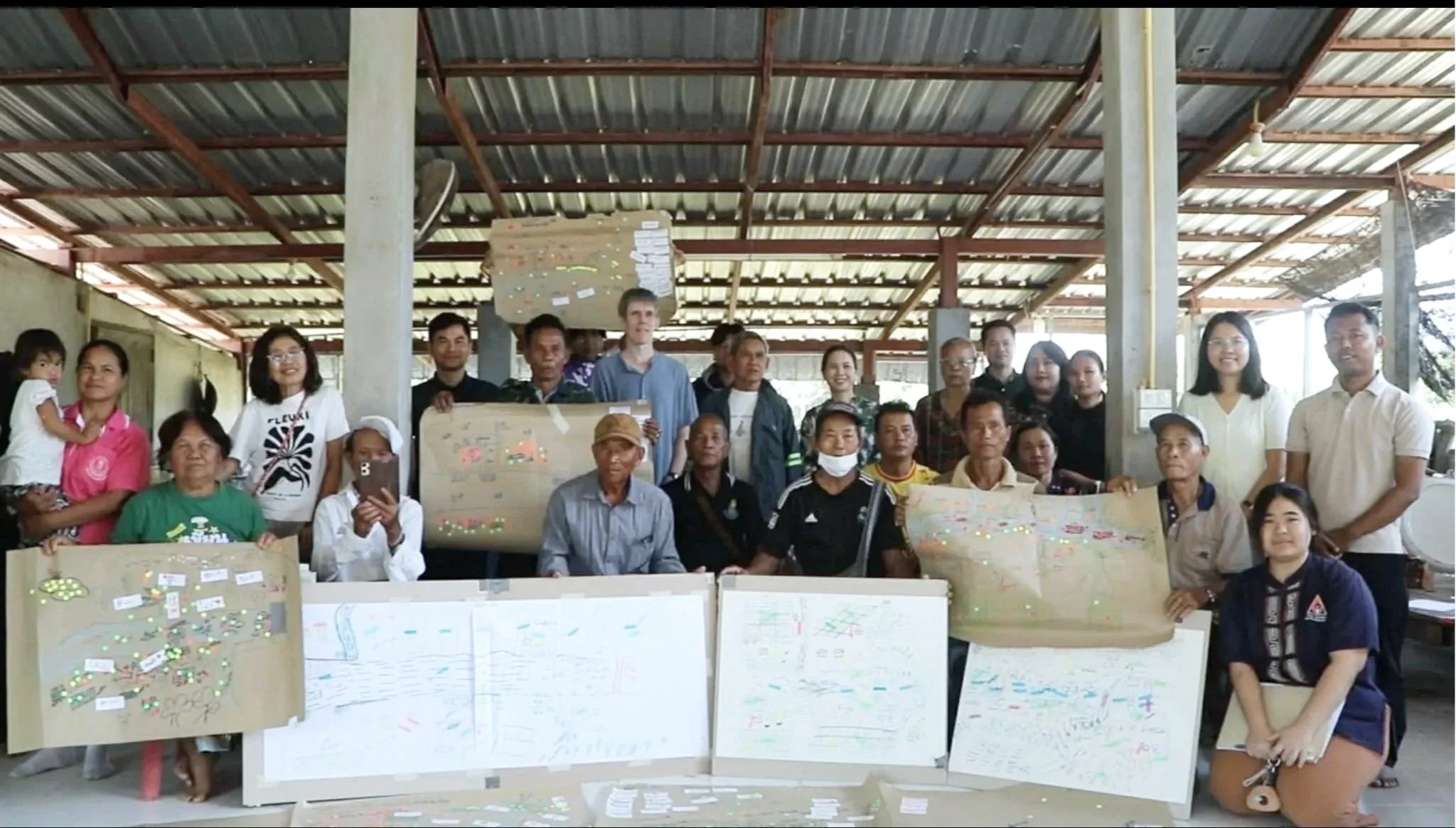
Preceding the workshop at UBU, a Visual Storytelling workshop was also organized. During the workshop, villagers took part in visual storytelling to reflect on how their lives had changed before, during, and after the Pak Mun dam was built. Many drew pictures of their daily activities and livelihoods across different periods, showing how their ways of life had slowly become more limited because of the project. For example, forests that they once visited freely are now restricted, and fishing has become much harder as changes in water flow and the dam have affected fish migration. At the same time, new infrastructure has been built close to their homes, and they now live with constant noise and disturbance. The visual storytelling process became a powerful moment of reflection. It showed clearly what has been overlooked in large development projects and reminded us of the importance of listening to local voices and experiences when assessing impacts and making decisions.  

The Visual Storytelling workshop was part of a longer term engagement producing a participatory video that will be launched in February 2026. 

Photo: Participants at a Visual Storytelling workshop, Ubon Ratchathani Province (1 Dec 2025)