“We are working with mid-career academics, researchers and practitioners to build research and policy engagement capacity in the Nu-Thanlwin-Salween River Basin focused on water, land and energy. ”
Publications
Read the latest policy brief here
Read the Proceedings of the International Conference: “Mekong, Salween and Red Rivers: Sharing Knowledge and Perspectives Across Borders" (12th November 2016)
Further information
Meet the "Salween Fellows"
Meet the "Mekong fellows"
Meet the "Red fellows"
See the training materials
Learn about past fellowship programs
Contact
Contact Dr Carl Middleton for further details.
Project Status: Complete
Salween-Mekong-Red Fellowship
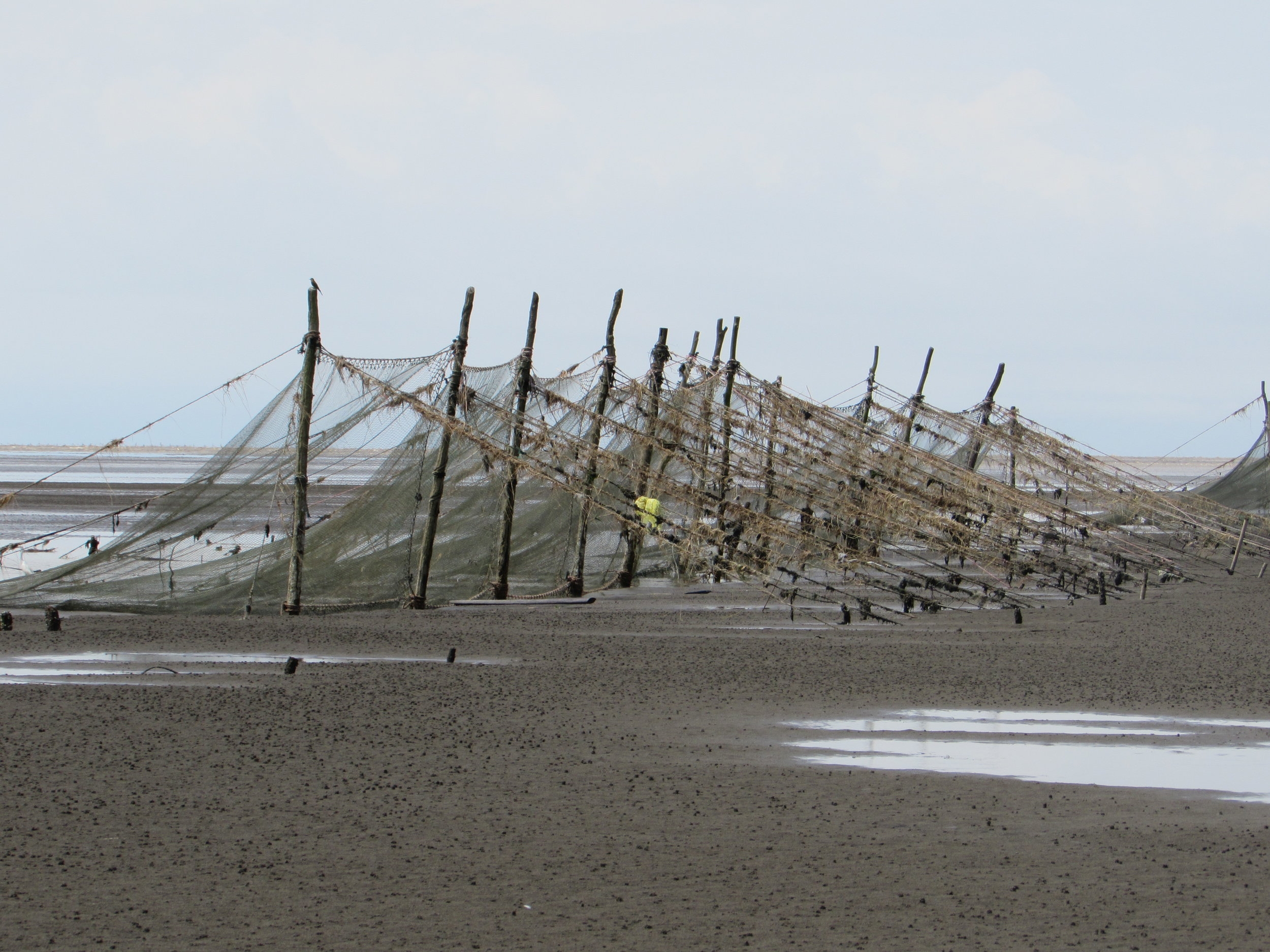
Fishing nets on the Thanlwin River Estuary (Credit: Cherry Aung)
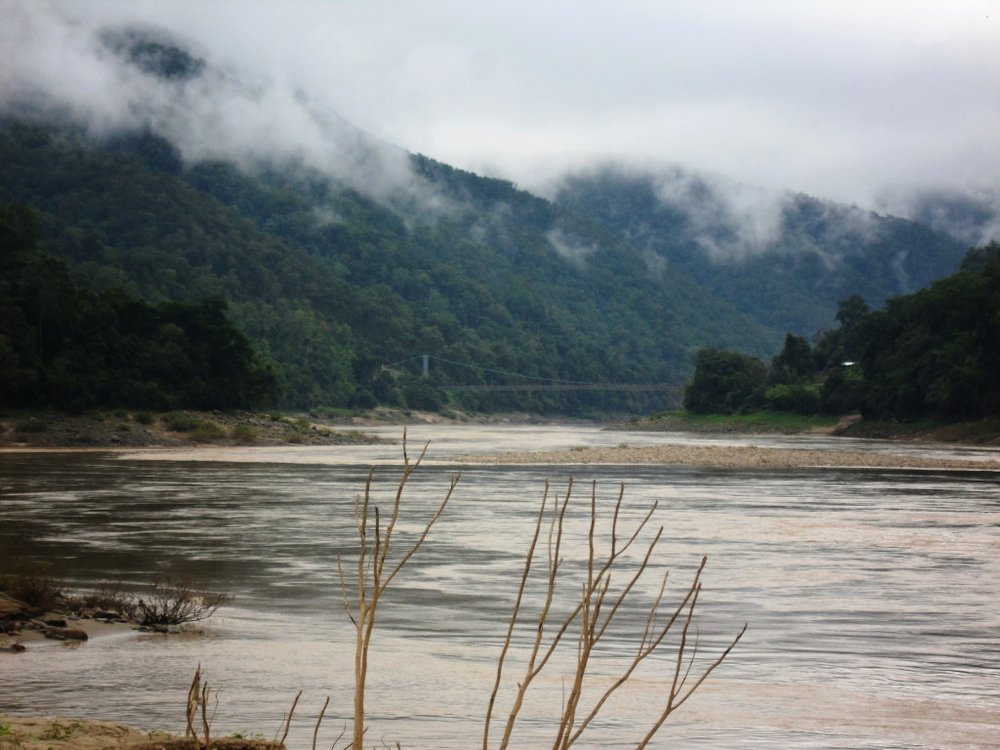
(Credit: Hnin Wut Yee)
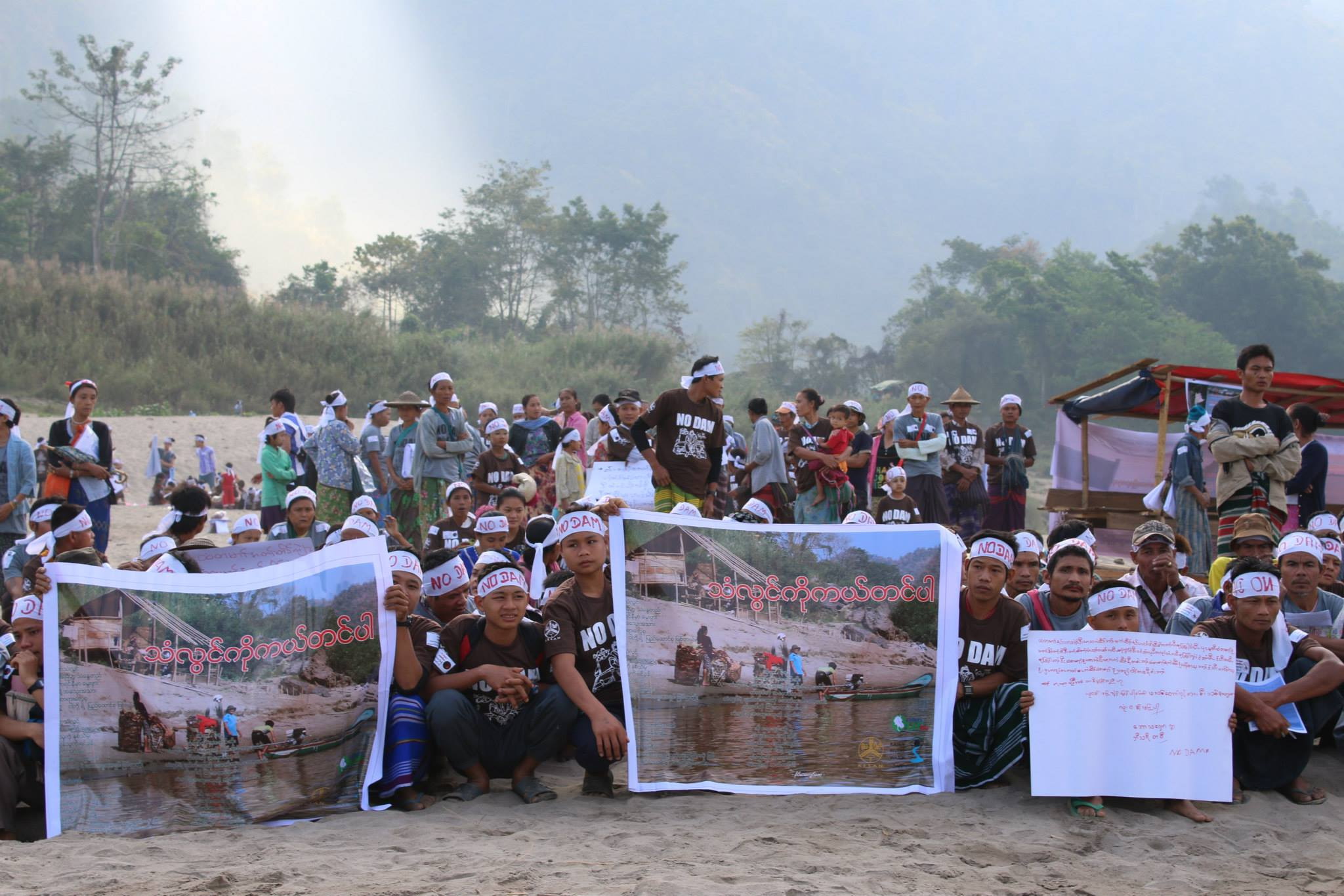
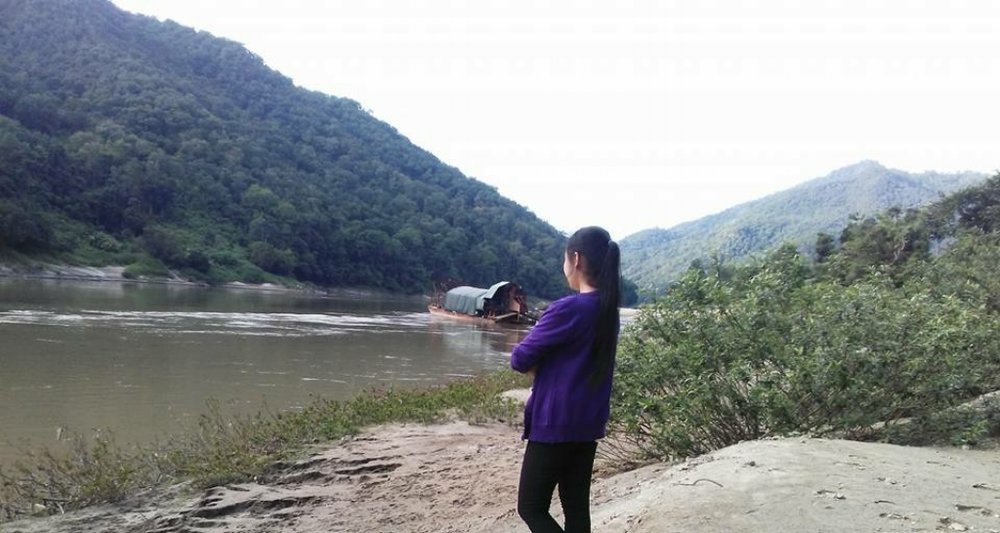
Myanmar activist on the Salween River (Credit: Saw John Bright)
(Credit: Khin Sandar Aye)
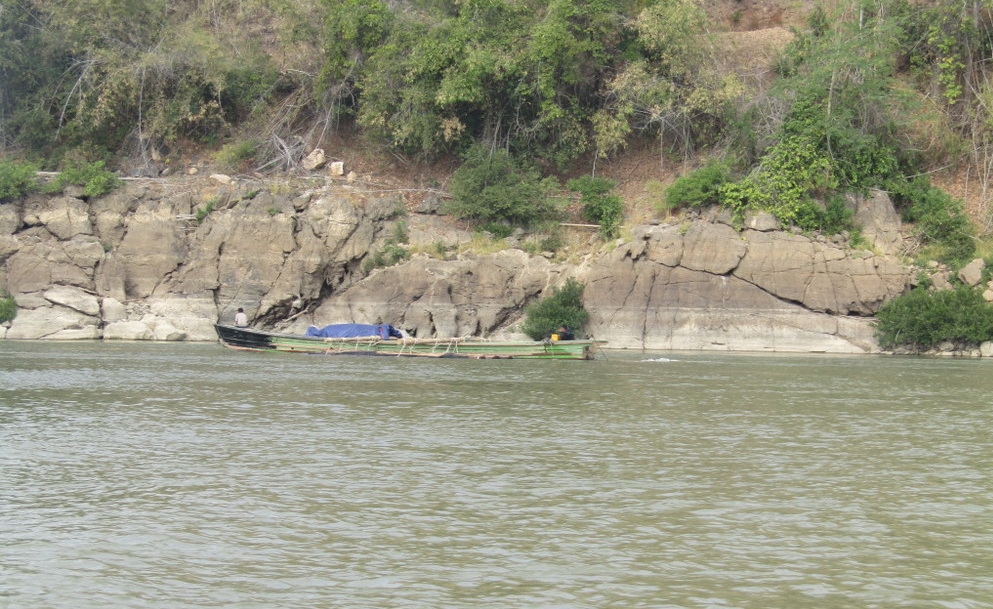
Nam Kong River (Credit: Mai)
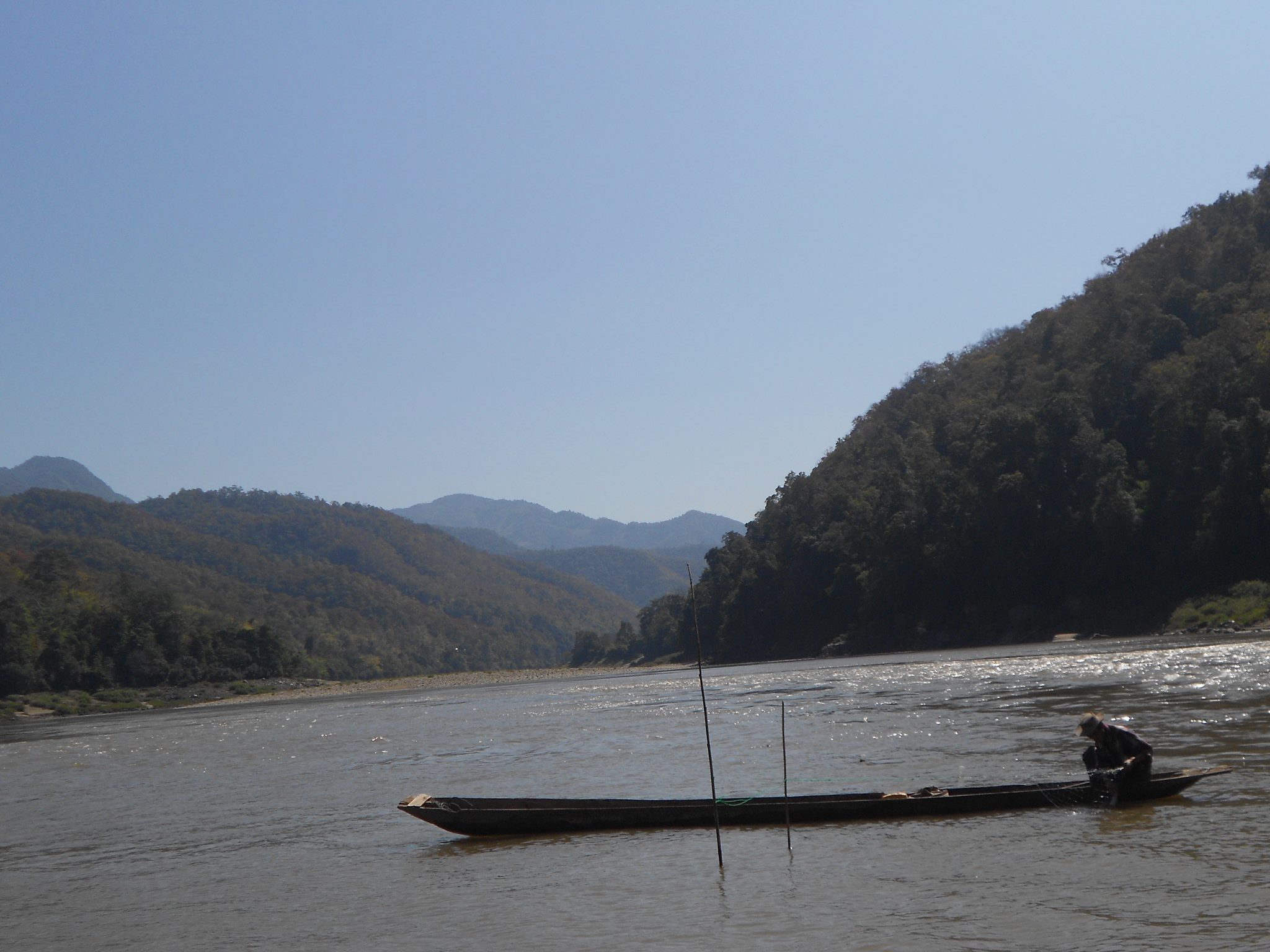
Researcher on the Thanlwin River(Credit: Nang Shining)
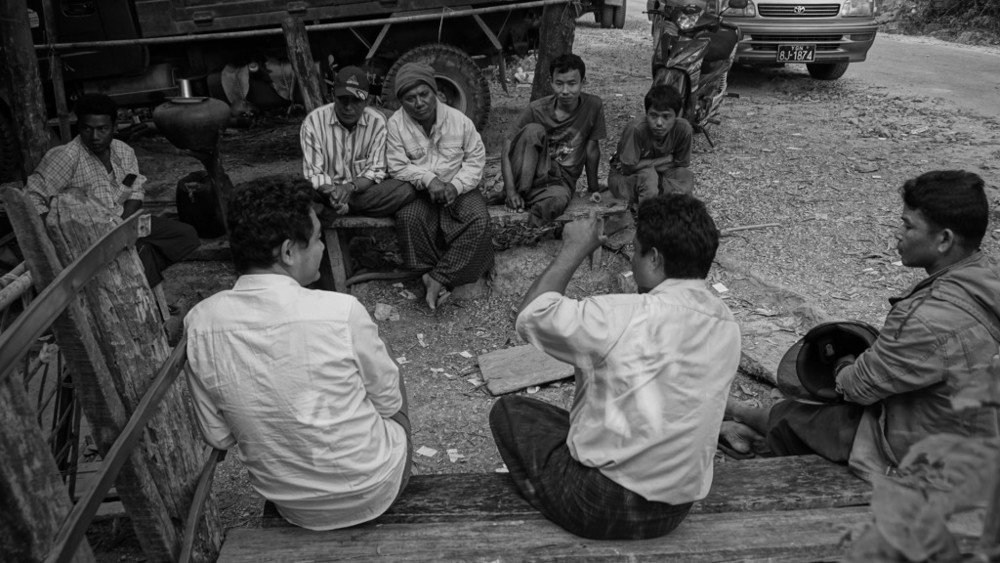
Community meeting regarding the development of hydropower dams in the area (Credit: Peter)
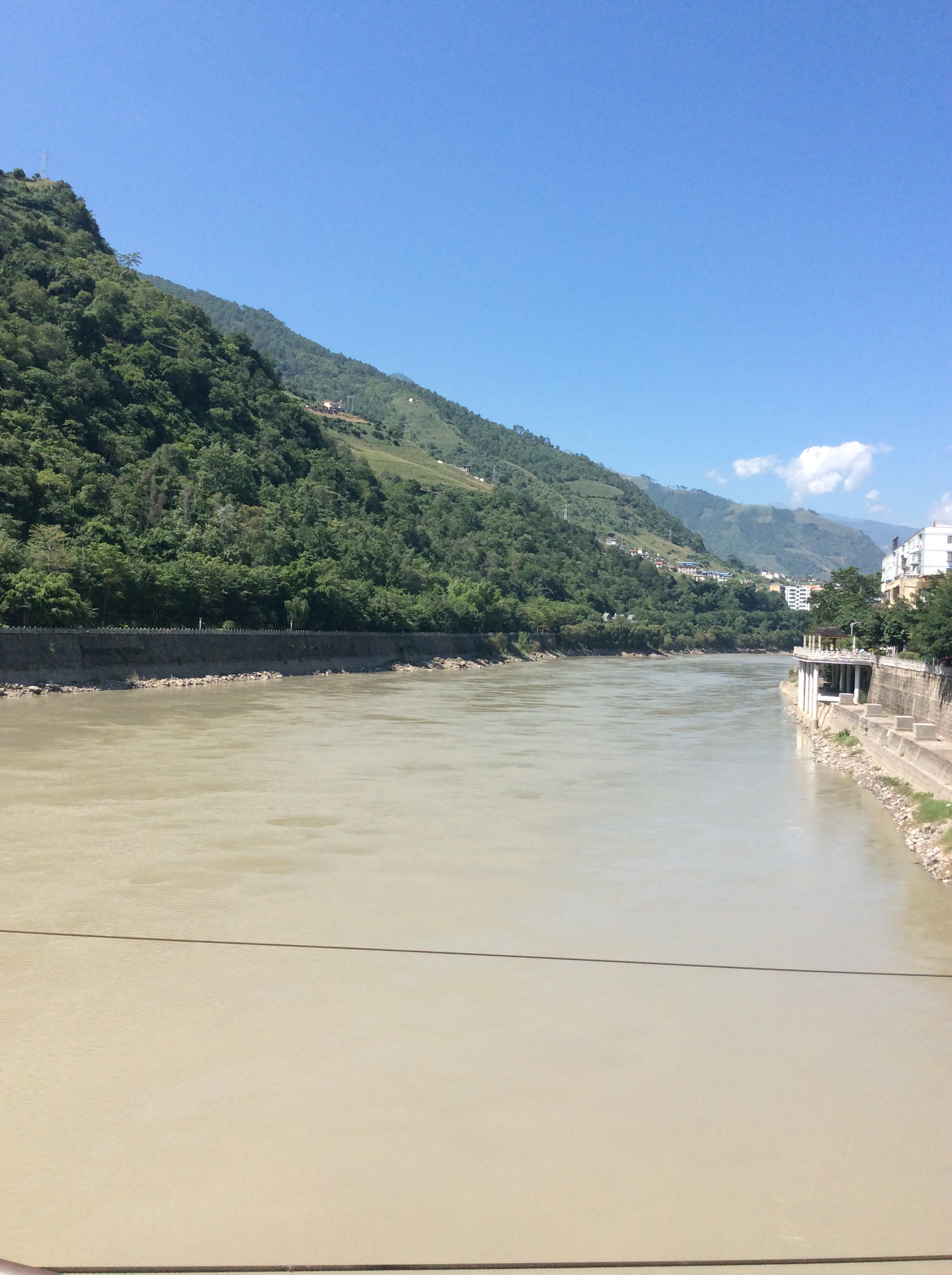
Xiao Shaba “New Village,” Yunnan Province (Credit: Zhong Mei)
Background to the Salween River
For over six million people, the Nu-Thanlwin-Salween River and its water resources are inextricably linked to local livelihoods and wellbeing, agricultural production and food security, and local economies. Recent processes of conflict transformation in the basin alongside regional economic integration, and socio-economic changes are all redefining the river basin’s development trajectory. There are, furthermore, plans for up to 20 dams along this transnational river.
To strengthen governance and increase the likelihood of sustainable and fair decisions, there is considerable need to build knowledge and research capacity within the basin, and to support research networks capable of informing the rapid changes underway.
The Fellowship program
The project has supported 13 research fellows through a mentored fellowship program, who have undertaken their research between June 2015 and December 2016. Over 2017, 8 selected fellows are producing journal articles and book chapters for publication.
Each research fellow was partnered with an experienced mentor for individual support, and also joined a series of three workshops on various aspects of research design, implementation and writing. The fellows addressed at least one of the following themes: Water Governance; Healthy Rivers; River Food Systems; Healthy Landscape and Ecosystems; and Gender and Social Justice (see WLE website for more details).
Each fellow aims to produce timely and needed research, and share their findings through producing a research report, a conference paper, a policy brief, and a blog. They have also joined national and international conferences and policy seminars.
Goals
This project’s goal is to strengthen the capacity for undertaking research and policy engagement of scholars and practitioners of water, land and energy use, management and governance in the Salween Basin. A particular cross-cutting focus of the project is research on gender and other forms of social marginalization. It also intends to build a learning community amongst these scholars and practitioners, and link them with similar initiatives in the Ayeyarwady, Mekong and Red River basins.
Cross-basin fellowship collaboration
The Nu-Thanlwin-Salween Fellowship program is partnered with parallel programs in the Mekong River basin and Red River basin.
Centre for Social Development Studies, Chulalongkorn University (Nu-Thanlwin-Salween River Basin)
Mekong Sub-region Social Research Centre, Ubon Ratchathani University (Mekong River Basin)
Vietnam Academy of Water Resources (Red River Basin)
The fellowship program has been supported by the CGIAR Research Program on Water, Land and Ecosystems Greater Mekong program, and Australian Aid.
This policy brief aims to highlight and analyze the impact of land cover changes to the socio-economic conditions of four villages in Bawlakhe District, Kayah State and its policy implications in Myanmar. The study area lies in the Thanlwin (Salween) River Basin, home to communities of various ethnic groups including the Kayah, Yintale and Shan, as well as being rich in biodiversity. These local communities heavily depend on this watershed area for most parts of their lives, including food, water, security, fuel and income. The main economy of the people in these areas depends on forest production, which is the major economy in Bawlakhe. Moreover, local people depend on subsistence farming, especially shifting cultivation which is practiced in these areas. Their livelihoods are still closely related to the environment and largely contribute to the local economy. This policy brief shares geographical research to describe the role of forest use in support of livelihoods for the communities in the study area.Declining fish stock and catches within the estuary and out at sea have had deep impacts on community livelihoods, ecology and socio-economics within last ten to forty years. Encouraging the reduction and management of the natural and anthropogenic threats might encourage specific ways to improve the fishery status of the estuary.
The Thanlwin/Salween River originates in China, where it is known as the Nu (angry) River and flows south into Myanmar, then eventually Thailand. It meets with two rivers (namely the Gyine and Attran Rivers) at the point of Mawlamyine and together discharge into the sea (Gulf of Mottama) by two channels (namely the Mawlamyine and Dayebauk Rivers). These four Thanlwin tributaries are experiencing daily tidal intrusion and freshwater discharge, forming estuarine environments and habitats for varieties of fresh, brackish and marine creatures. The term estuary refers to a mixing body of fresh and sea waters. The Mon and Kayin ethnic groups are dominant around the estuary and the riparian communities largely depend on fisheries within the river tributaries as well as those out at sea for their livelihoods and survival.
Declining fish stock and catches within the estuary and out at sea have had deep impacts on community livelihoods, ecology and socio-economics within last ten to forty years. Encouraging the reduction and management of the natural and anthropogenic threats might encourage specific ways to improve the fishery status of the estuary.
Kun Lone township, situated in Lashio District, Northern Shan State, Myanmar is home to various ethnic groups, namely the Kokant, Wa, Kachin, Larr hue, Bamar, and Shan. It is also home to various medicinal plants that are essential for traditional medicine practices. In developing countries, traditional medicine is perceived to be an important part of human health care (WHO, 2002). In Myanmar, health care has even been provided to the people with potent therapies of traditional medicines at Yangon Traditional Medicine Hospital, Mandalay traditional medicine hospital and Monywa Traditional Medicine hospital. Myanmar traditional medicine practitioners aim to give health care services to people in accordance with their traditions. This policy brief documents traditional ethnomedicine use and practices in Kun Lone township and suggests ways that traditional medicine can continue to provide health care benefits for the future.
Myanmar is a developing country trying to follow in the footsteps of its neighboring countries, which are rather more developed than itself. The Myanmar Government wants to harness its natural resources and sees the rivers of the country as a national asset in acquiring regular revenue for the government. The decision to build many mega dams on the major rivers of the country such as the Irrawaddy, Salween and Sittaung rivers is considered a natural resource development. With their high energy needs, Myanmar’s two neighboring countries, China and Thailand, want cheap energy by importing hydropower from Myanmar.
Gender-related issues figure high on global research and policy agendas, especially economic issues such as employment and development inequity between men and women. This research has identified gaps in employment opportunities between men and women and has also identified the related causes of gender inequity in terms of their employment opportunities. The results of this research culminate to contribute to raising awareness of the affected people in the reservoir resettlement area, particularly focusing on the role of women. The research emphasizes the changes in employment circumstances and prospects after resettlement, and compares the income of people before and after the transition.
Watershed resources in the Shan state of Myanmar provide the base for livelihood security among rural populations, providing food, shelter, and medicine to regions where markets, clinics, and schools are scarce. Taungya, or shifting cultivation, utilizes the landscape as an agricultural mosaic of forest and upland fields.
The Thanlwin River, also known as the Salween, provides fish, crustaceans, and riverbank vegetables as food for village members; gold for currency; water for drinking and household needs; and power for micro-hydro generators.
This policy brief provides recommendations for hydropower developments, focusing particularly on the nexus of gender and hydropower development. In recent years, Myanmar has been moving towards market economy development with a tendency to extract natural resources in order to fuel economic growth. Hydropower is an example of how the government is meeting the demands of economic growth through electricity that benefits some at the expense of others. Gender is just one aspect among many that has been undermined in this process. It is recognized in Myanmar that women are important bearers of culture in society, often with a close relationship with the environment, but they have little recognition in society and have little decision making power when it comes to natural resource management
Following concerns raised by a coalition of Chinese environmental groups, scientists and policy makers including the Ministry of Environmental Protection (MEP), the 13 proposed mainstream dams on the Nu/Salween River have been under suspension since 2004. It is now very likely that the dam project will be cancelled given the plan’s lack of inclusion in China’s 13th five-year development plan and the announcement of a project to build national parks in the area in 2016. This is a positive development for those concerned about sustainable development in the Mekong Region, as well as an opportunity for concerned citizens, environmentalists and the Chinese authorities to work closer together to build a sustainable future for the Nu River in China as well as its residents upstream and downstream.
The Salween River is valuable for the livelihoods and culture of millions of ethnic people living along it. Hatgyi Dam is one of the five dams that is planned to be built in Karen State, Myanmar. Situated in an armed conflict area, the dam is not only challenging the livelihoods and culture of the local people but is also being seriously affected by decades of violent conflict resulting in human rights violations and mass displacement of civilians. There are questions of community involvement in the decision-making processes regarding the dam project, and therefore a constructive response is needed for justice in water governance on the Salween River. Drawing from recent research on the Hatgyi Dam, this policy brief applies the concepts of "Rights" and "Rites" to examine community expectations and decision-making processes towards the project. The “Rights-Based Approach” is a formalized and legalistic approach normally recognized by the state, while the “Rites-Based Approach” is a locally defined natural resource management approach which is centered around cultural norms and local knowledge. The objective is to show how both approaches of “Rights and Rites" could help contribute towards inclusive decision-making and address concerns about injustice. The issue of justice is not yet fully considered in the current development policy agenda for water governance in Myanmar, and decision-making over the Salween dams to date has been highly centralized without community participation. Within the opportunities provided by Myanmar’s current political context, "Rights" and "Rites" approaches towards water governance policy in Myanmar could contribute positively towards inclusive decision-making in order to address the issue of justice in water governance for the Salween River.
A comparative study on China’s and Myanmar’s approaches to environmental impact assessments (EIA) to hydropower projects shows that the Chinese EIA is weaker than the Myanmar EIA based on Myanmar’s EIA procedural rules of 2015 and other environmental laws and standards. These findings partially explain the not very successful Chinese investment in hydropower projects in Myanmar, which are argued to have important and often negative implications for both countries.
What are the existing conditions of ethnic rural women in two villages in the downstream area of the proposed Mong Ton Dam project in relation to men in their day-to-day life? How do women control and get access to resources at home, in the community and the country? What would be the implications for them if the large-scale dam is built?
By Peter, MK31 Fellow
The political transition in present-day Myanmar has brought forward tremendous economic, social, and environmental change and an associated expansion in challenges and opportunities: accelerating capital investment, intensifying resource use and extraction, and heightened conflict partly due to non-inclusive development model.
By Zhong Mei, MK31 Fellow
Faced with a large and ever-expanding population, China’s employment issue has been a growing concern for the country and its people. With a plethora of ethnic minorities, Yunnan province has been strongly impacted in terms of employment due to the growing population, economy, and new policies. In addition, disparities between men and women have prominently widened amidst overall unemployment concerns. My research focuses on Liuku Town, Nujiang Lisu Autonomous Prefecture of Yunnan Province, and aims to uncover and analyze employment differences between men and women in a resettlement area village called Xiao Shaba that has been built for the planned Liuku hydropower project.
By Dr. Khin Sandar Aye, MK31 Fellow
The Thanlwin River Basin is one of the four major watershed areas in Myanmar covering the Shan, Kayah, Kayin and Mon states. In Kayah State, the Thanlwin River flows from North to South and is characterized by a variety of ethnic groups living amongst an extremely bio-diverse environment. Local ethnic people are crucially dependent on this watershed area for their survival, through its importance in terms of food, water, security, fuel and income more generally. In addition, the economy of this area relies to a very large extent on agriculture, forest extraction, and mining, which are all land-intensive activities.
By Nang Shining, MK31 Fellow
In this blog, Nang Shining presents the perspective of a youth researcher who is working with her in her participatory action research-designed fellowship project on women’s engagement and their role in water governance particularly at the proposed Mong Ton hydropower project in Shan State, Myanmar. Nang Shining highlights both some of the initial findings of the field work, and also the lessons learned by the researcher herself.
By Hnin Wut Yee, MK31 Fellow
Wan Hsala is a secluded village along the Wan Hsala Stream housing a little over 30 households with a total population of approximately 100. As one of the small villages along the Salween River in the Eastern Shan state, the majority of its villagers are part of the Shan ethnic minority, while a few are ethnic Lisu and Bamar. Today, these villagers are facing actual and potential negative impacts from a hydropower construction project started about a decade ago. The local villager's limited knowledge of their rights and their lack of participation in the project have caused them to be taken advantage of. It is crucial that a solid framework of national and international standards reinforced with a strict enforcement vehicle is in place before any further project decisions are made.