PH.D. SCHOLARSHIP OPPORTUNITY: How East Asian regional economic integration connect and transform wetlands in Thailand and Japan

rgjphd_logo (1).png

The Center for Social Development Studies (CSDS) is happy to announce a partial-scholarship for a Thai Ph.D. candidate commencing in 2019. The research topic is “Tele-connected places, virtual water flows and vulnerability: How East Asian regional economic integration connect and transform wetlands in Thailand and Japan.”

The successful candidate will be enrolled in Chulalongkorn University's Graduate Research in International Development Studies (GRIDS) program of the Faculty of Political Science and will be connected with the CSDS on our thematic work. The Ph.D. will be supervised by Dr. Carl Middleton (GRID/ CSDS) and in collaboration with Dr. Takeshi Ito of the Global Studies Program of the Faculty of Liberal Arts, Sophia University, Japan.

The partial-scholarship is kindly provided by from the  Royal Golden Jubilee Scholarship (Kanchanabhisek Fund). The scholarship is open to a Thai candidates with a minimum of GPA 3.0 for your Bachelor-level degree and a minimum of GPA 3.5 for your Master-level degree. The deadline for applicants is 30 October 2018.

The scholarship covers the following costs:

  • Allowance of THB 12,000 / month for 3 years
  • Tuition fee of THB 60,000 / year for 3 years
  • Research funding of THB 50,000 / year for three years
  • Field research grant of up to THB 500,000 to conduct overseas research [in Japan]

The scholarship does not cover the cost of registration fee (195,000 THB per year).

Interest applicants can contact Dr. Carl Middleton for further details.

UPCOMING EVENT: "In Restropect & reflection: The People Uprising in Myanmar" [Bangkok, 11 August 2018]

In Restropect & reflection: The People Uprising in Myanmar

Talk on 30th Anniversary of the 8888 Uprising: Spirit and Dynamic of Changes in Myanmar

Saturday 11th August, 12.30 - 16.30 at Student Christian Center, Bangkok, Thailand


Agenda

13.00 Conversation with Sawangwongse Yawnghwe (Artist - Grandson  of the 1st President of Myanmar)

13.30 Opening Remarks and Commemorative Video

13.40 Talk with the Panelists:

  • Kyaw Zwa Moe (Irrawaddy News)
  • Salai Ceu Bik Thawng (22 Ethnic Political Parties Coalition)
  • Dulyapak Preecharush (Southeast Asian Studies, Thammasat University)

The event will be moderated by Naruemon Thabchumpon (CSDS and MAIDS-GRID, Chulalongkorn University)

Thai and Burmese translation will be provided.

For more information, please contact Myint Wai (0813577634)


received_322087291868711.jpg

UPCOMING INTERNATIONAL CONFERENCE SESSION: "New Regimes of Commodification and State Formation on the Resource Frontier of Southeast Asia" [Helsinki, 17 August 2018]

Session organized for the 4th Annual Conference of the World-Eco­logy Research Net­work in Helsinki, Fin­land

13:00-14:30, 17 August 2018, Fabianinkatu 33, Room 3008, University of Helsinki


Conveners: Anu Lounela, Tuomas Tammisto and Mira Kakonen

Discussant: Carl Middleton

This thematic panel is to examine the interplay between the commodification of nature, value production, and state formation especially in Southeast Asia but possibly also in other regions. Southeast Asian countries are experiencing rapid transformations shaped by new dynamics involving investors from China and from the wealthiest ASEAN countries. The pace of change is fast, with high-tech special economic zones, extractive mining and hydropower enclaves, and large-scale agro-industrial land concessions emerging alongside smallholders or forest-dependent communities whose populations in Southeast Asia still number in tens of millions. New boom and bust cycles of industrial crops like rubber and oil palm are constantly re-shaping the rural landscapes. In the Southeast Asian resource frontiers competition over resources and land is high, the presence of the state is fragmented and uneven, and new property systems and legal arrangements are in the making. This panel aims to explore: How does rapid commodification of natural elements constitute or entangle with various processes of state formation in the frontiers of Southeast Asia? How do different actors and groups compete over different values and meanings of resources and with what effects?

Presenters:

  • "New Commodity Regimes in the Making of Frontiers in Indonesia" by Anu Lounela (University of Helsinki)
  • "State Formation on the Oil Palm Frontier of Papua New Guinea" by Tuomas Tammisto (University of Helsinki)
  • "Interplay of Resoruce-Making and State-Making in the Cardamom Mountains, Cambodia" by Mira Kakonen (University of Helsinki)
  • “Resource Politics in Myanmar/Burma through the Lens of Hydrosocial Territories: Implications for the Peace Negotiation Process" by Johanna Gotz and Carl Middleton (Chulalongkorn University)

Conference details are available here.

wern2018_nostokuva_gray.jpg

UPCOMING PUBLIC SEMINAR: "Conflicts and Resource Politics in Myanmar" [Helsinki, 15 August 2018]

Conflicts and resource politics in Myanmar

Discussion on the complex resource politics and its implications for the peace process in Myanmar


Wednesday 15th August, 10:00-13:30 at Think Corner (Tiedekulma), University of Helsinki, Yliopistonkatu 4, Helsinki, Finland

Organized by: Development Studies, University of Helsinki in collaboration with Felm and Siemenpuu Foundation

Myanmar is experiencing a complicated process of transition towards a civilian government, multi-party democratic elections, and peace negotiations. At the same time, the recent opening of the country has resulted in an accelerating rush for the rich natural resources, including a boom in extractive industrial and agribusiness projects. Most of these resources are located in the ethnic states and many of the grievances of the various ethnic communities are entangled with the questions of access to and control over resources. In this event researchers, NGO representatives and social movement activists discuss the ways that land and other resource rights should be addressed as a part of conflict resolution towards sustainable peace in Myanmar.

The recent political changes in Myanmar has also meant a rush of different international development organisations to the country. Recently Finland too has decided to focus its support in Southeast Asia to Myanmar. The event includes a panel discussion on the Finland’s future role in Myanmar with perspectives from civil society, ministry officials and private sector.

Speakers:

  • Carl Middleton, Faculty of Political Science, Chulalongkorn University
  • Khu Khu Ju, Land in Our Hands, Transnational Institute
  • Kyi Phyo, Mekong Energy and Ecology Network

*This event is a side event of the 4th Annual World-Ecology Research Network Conference that takes place this year in Helsinki (15-18 August).

Event details are available here.

wern2018_nostokuva_gray.jpg

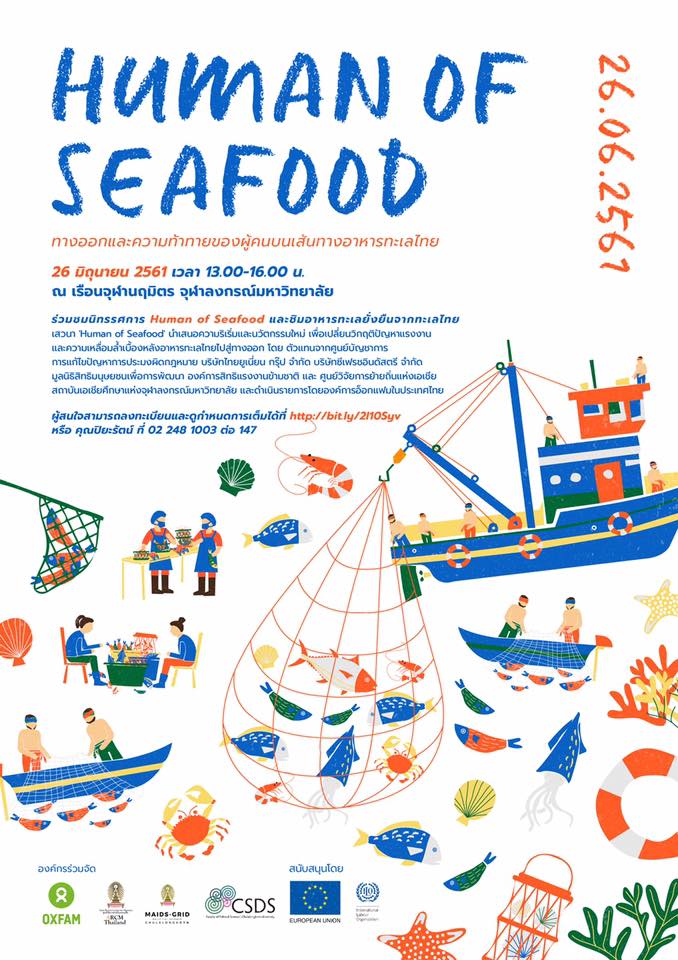
UPCOMING PUBLIC SEMINAR: Human of Seafood [26 June 2018]

Human of Seafood

Tuesday 26 June 2018, 13.00 - 16.00 at Ruan Chula Narumit, Chulalongkorn University

Co-organized by MA in International Development Studies program, Asian Research Center for Migration, Center for Social Development Studies, and Oxfam UK  

[This event is in Thai language with an English summary]

Where does your favorite seafood come from? Who are behind the processes? This event aims to be a platform for constructive dialogue among stakeholders in Thailand’s seafood sector including the government, private sector, civil society as well as academics.

Please register here: http://bit.ly/2I10Syv, sustainable seafood cocktails are served after the event.

For more information, please contact Ms. Piyarat, tel 0886804498 or pketkrai@oxfam.org.uk

Human of Seafood.jpg

UPCOMING INTERNATIONAL CONFERENCE SESSION: Political ecology, water, and the hydrosocial cycle [22 June 2018]

Session organized for the “POLLEN18: Political Ecology, the Green Economy, and Alternative Sustainabilities” conference

8:30-10:00, 22 June 2018, Pilestredet 35, Room 35-PI 556, Oslo Metropolitan University

Presenters:

  • “Dammed if you do, dammed if you don’t? Mixed methods approaches in understanding the links between poverty and inequality and dam construction” by Lucy Goodman (Cambridge University)
  • “How river basins in Thailand and Japan relate: Politicizing virtual water through a hydrosocial lens” by Carl Middleton (Chulalongkorn University) and Takeshi Ito (Sophia University)
  • “Living with floods in a mobile Southeast Asia: A political ecology of vulnerability, migration and environmental change” by Becky Elmhirst (University of Brighton)

Conference details are available here.

POLLEN logo.png

IN THE NEWS: 'Forgotten war' strips Kachin of hope

By Paritta Wangkiat [Bangkok Post, 14 June 2018]

Myanmar's "forgotten war" in Kachin state has received little public attention despite the scale of the impact it has had on people who have become internally displaced and the casualties caused by the fighting between ethnic rebels and the army.

Worse still, the war has caused long-lasting socio-economic effects for the Kachin people, depriving them of hope. To remind the world about the war, civil society groups from Kachin last Friday held a forum at Chulalongkorn University in Bangkok to mark the seventh anniversary of the ongoing conflict which reignited on June 9, 2011 after the collapse of a 17-year ceasefire.

Read the full article here. See the event announcement here.

IN THE NEWS: 'Climate disaster looms for SE Asia'

Climate disaster looms for SE Asia-1.jpg

International and regional researchers at a Panel Discussion organized by SEA Junction in Bangkok have urged governments in Southeast Asia to prioritise creating climate change resilience for their citizens, as the region faces risks of more greater and more intense natural disasters….

Referring to “Living With Floods in a Mobile Southeast Asia”, a recent publication to which researchers from SEI-Asia and Chulalongkorn University contributed, Torre stressed how policy and disaster responses centering mainly, if not only, on relocation or disaster risk mitigation are likely to fail in the long term.  To be successful in reducing vulnerabilities, these actions must consider, among others, mobility patterns and causes, livelihood strategies as well as historical sources of poverty and inequality.


Read more here

Visit our project webpage on Living with Floods in Southeast Asia here.

UPCOMING CONFERENCE: Graduate Studies in the Disruptive Society: Innovation in Human Rights, Development Studies and Resource Politics [12-13 July 2018]

UPCOMING CONFERENCE:  Graduate Studies in the Disruptive Society: Innovation in Human Rights, Development Studies and Resource Politics [12-13 July 2018]

In commemoration of the 70th Anniversary of the Faculty of Political Science at Chulalongkorn University, a special conference centered on the idea of academia in activism will be held at Chulalongkorn University from 12-13 July 2018 at the Faculty of Political Science Main Building. 

Read More

NETWORK: CSDS joins POLLEN political ecology network

NETWORK: CSDS joins POLLEN political ecology network

The Political Ecology Network (POLLEN) is an umbrella organization of political ecology researchers, groups, projects, networks and ‘nodes’ across the globe. It aims to provide a platform for the ‘cross fertilization’ of ideas and where the world’s many rich, diverse traditions can come together, discuss, and debate the latest developments in the field of political ecology. It also aims to function as a vehicle to promote, encourage and facilitate political ecological research with other academic fields and disciplines, as well as civil society.

Read More

NETWORK: Advisory Committee member to Platform on Disaster Displacement

NETWORK: Advisory Committee member to Platform on Disaster Displacement

The Center for Social Development Studies is honored to be invited to the Advisory Committee of the Platform on Disaster Displacement. We aim to contribute our research and recommendations on disaster displacement, human rights and development in Southeast Asia, building on our recent studies on political ecologies of mobility.

Read More

COLLABORATION: Disaster and Displacement through a Human Rights Lens in Asia-Pacific

COLLABORATION: Disaster and Displacement through a Human Rights Lens in Asia-Pacific

When a disaster strikes leading to people’s displacement not all are impacted in the same way, and often it is marginalized groups who are affected the hardest. The Raoul Wallenberg Institute (RWI) has initiated a regional study on the relationship between disaster and people displacement through a human rights lens in the Asia Pacific. The research is underpinned by the recognition that pre-existing patterns of discrimination can exacerbate vulnerability to disaster-related harm. The research is informed by the UN Office of the High Commissioner on Human Rights' Guiding Principles on Internal Displacement and will examine how state actors fulfill their obligations to prevent displacement, protect people during displacement, and facilitate durable solutions in the aftermath. It is intended to offer recommendations on future policy and implementation across the region.

Read More

VACANCY: Communications Coordinator

VACANCY: Communications Coordinator

Currently seeking a Communications Coordinator. This is a full-time position, to be based in our office within the Faculty of Political Science, Chulalongkorn University. The position is open to all nationalities. For the selected candidate, if non-Thai, we are able to offer a Thai visa and work permit. Appropriate training will be provided as needed.

Read More

COLLABORATION: Sustainable Governance of the Transboundary Environmental Commons in Southeast Asia

Screen Shot 2018-05-04 at 12.41.45 PM.png
tecsea logo.png

The Sustainable Governance of the Transboundary Environmental Commons in Southeast Asia (TECSEA) project is a new multi-disciplinary five year project based at the Asia Research Institute (ARI), National University of Singapore (NUS). Led by Professor David Taylor and Professor Jonathan Rigg, it’s goal is to further understanding of key issues in the sustainable development of the ecological commons in Southeast Asia from a transboundary governance perspective, with a focus on air and fresh water.

The research project involves a team spanning the region, including the Center for Social Development Studies as a collaborator in Thailand. We are very excited to contribute to this project, in particular on its fresh water component. With growing pressures on commons ranging from the local to the national and transnational scale, this project will contribute new insights and policy guidance at a critical decision-making juncture.

For further details on the project, visit the project’s website. An introductory article on the project is published in ARI’s March 2018 newsletter (#41) which can be downloaded here.

Contact at CSDS: Dr. Carl Middleton (Carl.Chulalongkorn@gmail.com).

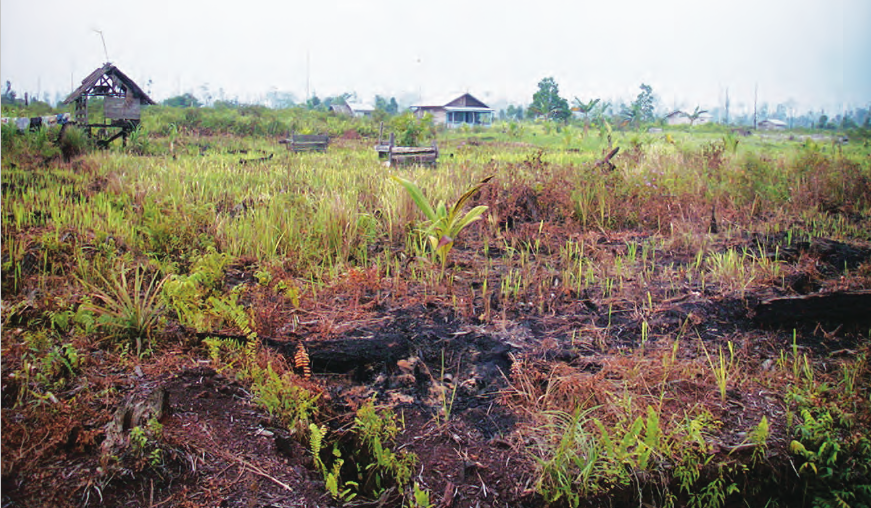
Peatland in Jambi, Indonesia | Photo credit: David Taylor

Peatland in Jambi, Indonesia | Photo credit: David Taylor

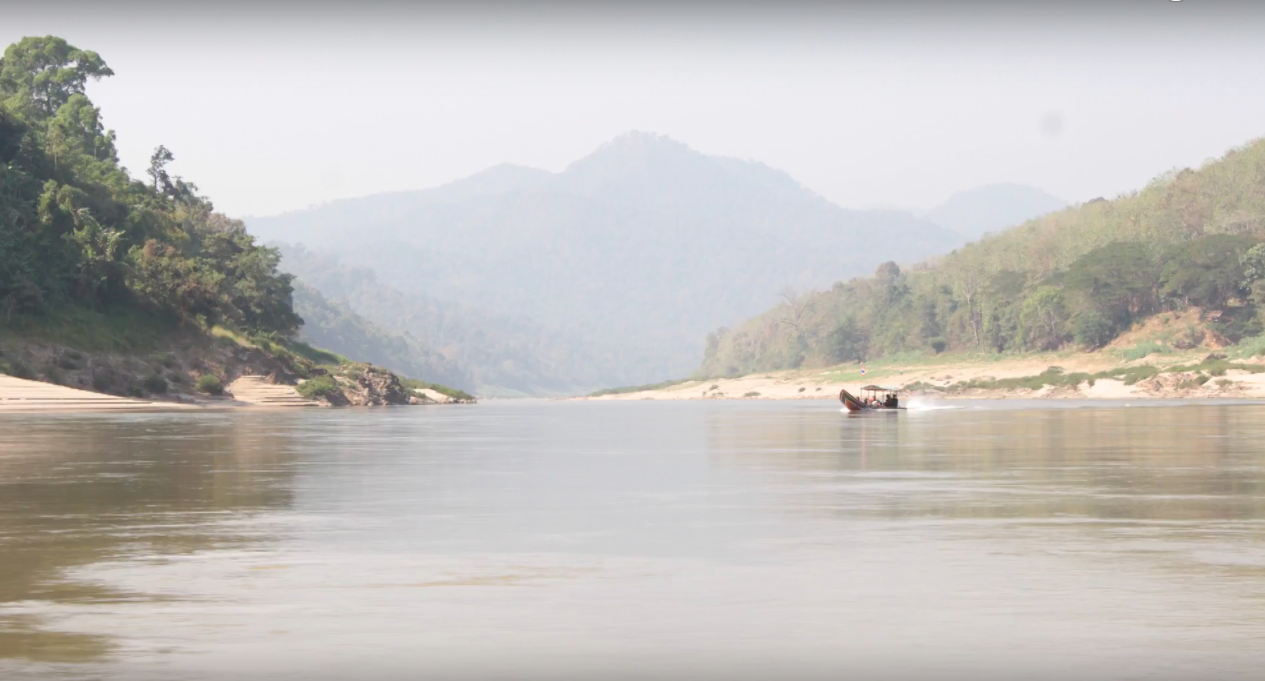
IN THE NEWS: 'Salween Stories:' Nujiang, China

IN THE NEWS: 'Salween Stories:' Nujiang, China

Mae Sam Laep is located near to the Salween National Park and the Salween Wildlife Sanctuary, and was once a site of a booming timber industry. A long-time trading site, with the village established at least as early as the 1960s, it is now a place where tourists can start their journey along the Salween River, and for surrounding residents a point of departure to travel up and downstream, to Tha Ta Fang or Sob Moei villages, for instance. 

Read More

AWARENESS: International Day of Action for Rivers [14 March]

Screen Shot 2018-03-13 at 1.33.51 PM.png

Adopted by participants of the first International Meeting of People Affected by Dams, March 1997 in Curitiba, Brazil, the International Day of Action for Rivers is a time for community members, civil society and organizations like us to celebrate the value of healthy rivers, and educate and spread awareness about the conservation of our watersheds and the importance of equitable and sustainable management of rivers and waterways. Today we recognize the 21st annual Day of Action, an event that directly connects with much of work we do here at the Center for Social Development Studies. 

As one can probably tell from following our work and posts, we are quite passionate about the work and research we do on the region's rivers, particularly the Salween and Mekong Rivers, as well as the communities that depend on them for life and livelihoods and the unique but heavily threatened ecosystems that are located along these basins. Most recently the Center and its partners held a special workshop in Yangon, Myanmar on the present state and future of the Salween (Thanlwin) River, bringing together over 60 participants to debate and present research and findings about a great diversity of topics related to this important waterway, with the hope that policy and actions would eventually make their way up to official decision-makers with the goal of creating greater ownership for the river, leading to better planning and conservation of both the natural ecologies and human settlements.

Screen Shot 2017-12-06 at 10.32.05 AM.png

In 2017 CSDS helped support a special project called "Salween Stories," with the aim to use locally produced multimedia to tell the stories of the unique individuals and communities that live along the river. From Yunnan, China to the border regions of Thailand/Myanmar, this unique method of storytelling takes visitors to remote and often mystical locations around Southeast Asia to explore the lifestyles, myths and issues all stemming from one of the world's most important and threatened rivers. Visit their website to be transported to Hpa-an, Mae Sam Laep, Mong Pan and Nujiang

Spring 2018 marks the end of one of CSDS's most prominent, practical and most riparian-focused programs, the Salween Water Governance Fellowship, which brought together dozens of researchers based in Thailand and Myanmar, focused on strengthening networks between university researchers and civil society groups, and contributing to the empowerment of local communities. Last year's Greater Mekong WLE Forum saw the culmination of these projects with presentation from all research fellows which marks a major milestone in both the Center's vision and the achievements of the individuals and the work they represent. The policy briefs based on the research undertaken for this project can be found and downloaded here

The Center for Social Development Studies also welcomes you to visit our Publications sector to explore a great deal more research and information centered around rivers and the people who live on or around them.

Screen Shot 2018-01-30 at 3.32.27 PM.png

AWARENESS: International Women's Day [8 March]

By Robert Irven

"This year, International Women’s Day comes on the heels of unprecedented global movement for women’s rights, equality and justice. Sexual harassment, violence and discrimination against women has captured headlines and public discourse, propelled by a rising determination for change." -United Nations

Today marks the celebration of International Women's Day, a day in which we should reflect on the progress made, to call for change and to celebrate acts of courage, resilience and determination by both ordinary and extraordinary women who have played an important role in the history of their countries, society and local communities. This year, the theme of today's celebrations and events is "Time is Now: Rural and urban activists transforming women’s lives,” which puts an emphasis on the importance women play in the development of both parts of society. "Echoing the priority theme of the upcoming 62nd session of the UN Commission on the Status of Women, International Women’s Day will also draw attention to the rights and activism of rural women, who make up over a quarter of the world population, and are being left behind in every measure of development." (United Nations, 2018)

As our Center is a strong believer and advocate for human rights, women's rights, and the ongoing struggle to achieve them in full, certainly falls under this overarching theme, and much of our past and current work focuses on gender and its connection to development in the region. The subject of gender, often combined to create a nexus of justice, development or equality, were touched upon in a variety of our publications, most notably from our Salween Fellowship researchers. From various blogs, to policy briefs on the topics of  "Gender and Hydropower: Women’s Rights in the Development Discourse" or "Large Hydropower Projects in Ethnic Areas in Myanmar: Placing Community Participation and Gender Central to Decision-Making," the Center for Social Development Studies continues to put gender and the importance of having women at the forefront of development and decision-making processes as a main priority of our research and projects.

For more information about International Women's Day 2018 and additional downloadable resources, please visit the official United Nations website.

Video message by H.E. Mr. António Guterres, United Nations Secretary-General, on the occasion of International Women's day 2018.

IN THE NEWS: 'Salween Stories:' Mong Pan, Myanmar

IN THE NEWS: 'Salween Stories:' Mong Pan, Myanmar

Mae Sam Laep is located near to the Salween National Park and the Salween Wildlife Sanctuary, and was once a site of a booming timber industry. A long-time trading site, with the village established at least as early as the 1960s, it is now a place where tourists can start their journey along the Salween River, and for surrounding residents a point of departure to travel up and downstream, to Tha Ta Fang or Sob Moei villages, for instance. 

Read More